
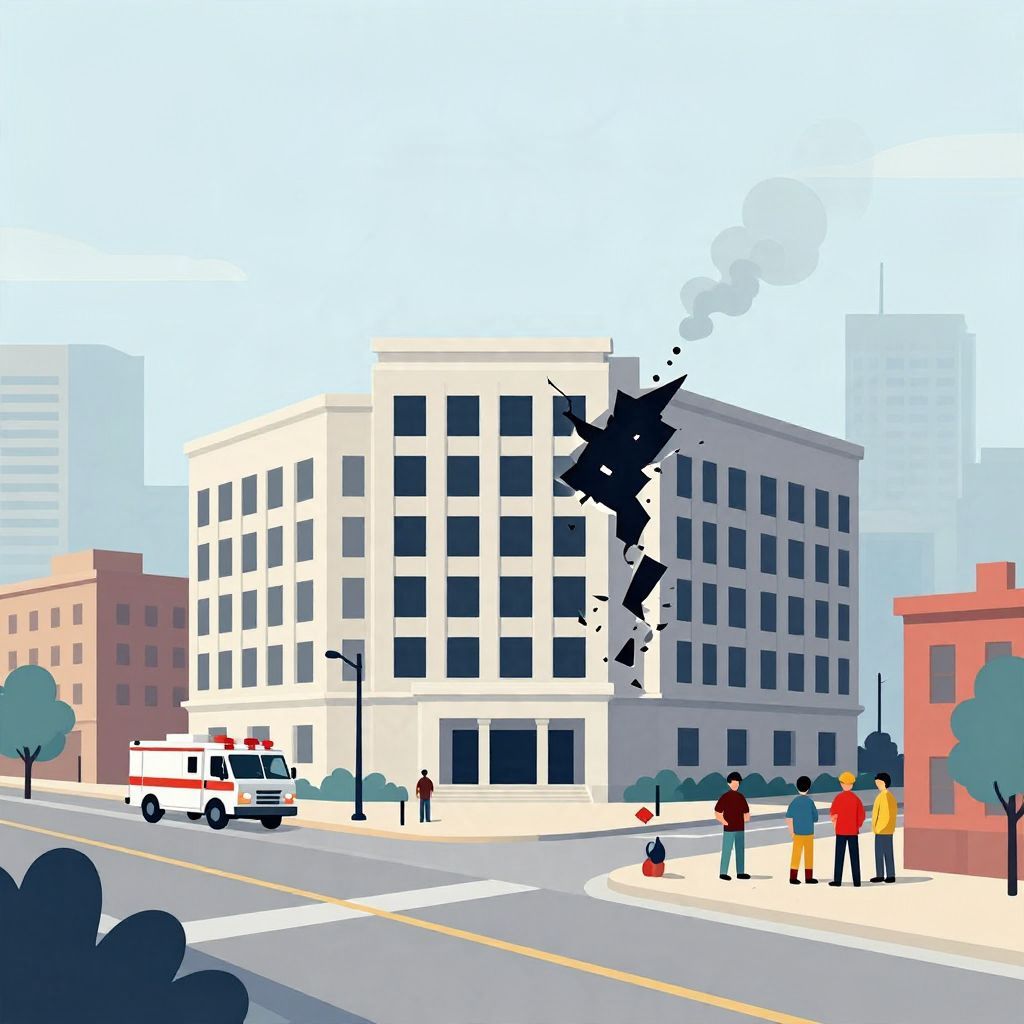
The Oklahoma City bombing happened on April 19, 1995. It was a domestic terrorist attack on the Alfred P. Murrah Federal Building in downtown Oklahoma City, Oklahoma, and it killed 168 people, including children in the building’s daycare center.
The attack shocked the United States and became one of the deadliest acts of terrorism on American soil before September 11, 2001. Its date, victims, and aftermath are central to understanding modern American history, domestic extremism, and the federal response to political violence.
When Was the Oklahoma City Bombing?
The Oklahoma City bombing took place on April 19, 1995. At 9:02 a.m., a truck bomb exploded outside the Alfred P. Murrah Federal Building. The blast destroyed much of the structure, killed 168 people, and injured hundreds more. The date is remembered not only for the attack itself, but also because it marked a turning point in how the United States viewed domestic terrorism.
What Happened on April 19, 1995?
On that morning, a Ryder truck loaded with a powerful homemade explosive was parked near the federal building. When it detonated, the explosion shattered windows across downtown Oklahoma City and caused catastrophic damage to the Murrah Building. The force of the blast collapsed much of the front side of the structure and left rescue workers facing a scene of enormous destruction.
The immediate human toll
The bombing killed federal employees, visitors, and children in the building’s daycare center. The final death toll was 168, making it the deadliest domestic terrorist attack in U.S. history at the time. Hundreds of others were wounded, and many survivors experienced long-term physical and psychological trauma.
The rescue effort
Emergency responders, volunteers, and federal agencies rushed to the site within minutes. Rescue operations continued for days as crews searched through unstable debris for survivors. The effort became a powerful symbol of public solidarity, but it also revealed the immense difficulty of responding to a mass-casualty attack in an urban center.
Why Did the Bombing Happen?
The bombing was carried out by Timothy McVeigh, with assistance from Terry Nichols and others involved in the plot. McVeigh was motivated by anti-government extremism, anger over federal law enforcement actions, and a broader militia-style ideology that viewed the federal government as tyrannical. These beliefs did not excuse the attack, but they help explain the political climate that shaped it.
The broader political context
The early 1990s saw intense conflict between some armed anti-government groups and federal authorities. Events such as the Ruby Ridge standoff in 1992 and the Waco siege in 1993 fueled resentment among extremists. McVeigh later chose April 19 deliberately, the second anniversary of the end of the Waco siege, making the bombing a symbolic act of revenge in his mind.
Not a spontaneous act
This was not an impulsive crime. It was planned over time, involving reconnaissance, stolen materials, and the construction of a large bomb. The attack reflected a deliberate campaign of domestic political violence rather than a random act of destruction.
Why April 19 Mattered to the Bombers
The date was chosen for its symbolic meaning. April 19 had become significant to McVeigh because of Waco, where a confrontation between federal agents and the Branch Davidians ended in a fire that killed many people. By striking on that anniversary, McVeigh intended to send a message against the federal government. Historians generally treat this as an example of how extremist actors use anniversaries to amplify their political symbolism.
Symbolism and violence
Using a date tied to a previous tragedy is a common feature in extremist violence. It creates a narrative of retaliation, even when that narrative is based on distortion, grievance, or conspiracy thinking. In the Oklahoma City case, the symbolism helped define the attack’s meaning for the perpetrators, but not its legitimacy. The result was mass murder.
How the Investigation Unfolded
Investigators quickly focused on the truck used in the bombing and on witness descriptions. A license plate fragment and other evidence helped identify the vehicle. McVeigh was arrested shortly after the attack during a routine traffic stop for driving without a license plate. That arrest, initially unrelated to the bombing, became a crucial break in the case.
From clues to prosecution
Federal investigators pieced together the plot through physical evidence, witness testimony, and the recovery of bomb components. McVeigh was convicted and later executed in 2001. Terry Nichols was also convicted and sentenced to life in prison. The investigation demonstrated the importance of forensic work in modern terrorism cases.
The Murrah Building and the Victims
The Alfred P. Murrah Federal Building housed several federal offices, including agencies connected to law enforcement and social services. It also contained a daycare center, which made the attack especially devastating. The loss of children intensified the national grief and widened public outrage beyond the immediate political target.
Remembering the victims
Memorials and survivor testimony have kept public attention on the people affected, not just the perpetrators. The bombing is remembered in Oklahoma City and across the country as a tragedy of human lives cut short, families altered forever, and a community forced to rebuild after terror.
What Was the Aftermath?
The bombing changed federal security practices, public awareness of domestic extremism, and the way Americans thought about terrorism. In the years that followed, government buildings adopted tighter security measures, and law enforcement agencies paid closer attention to militia movements and homegrown extremist threats.
A national turning point
Before 1995, many Americans associated terrorism primarily with foreign actors or overseas conflicts. The Oklahoma City bombing made clear that domestic extremists could also carry out large-scale attacks. That lesson shaped later debates about security, civil liberties, and political violence in the United States.
The memorial and public memory
The Oklahoma City National Memorial honors the victims and preserves the memory of the attack. Its design emphasizes reflection, loss, and resilience. Public remembrance has become part of the historical meaning of April 19, 1995, ensuring that the bombing is not reduced to a date alone.
Why the Date Still Matters
Knowing when the Oklahoma City bombing happened is important because the date connects the attack to its historical context. April 19, 1995, places the bombing in a period of rising anti-government extremism in the United States and helps explain why the event had such a profound impact on national politics and security.
It also reminds us that history is shaped not only by what happened, but by when it happened. The bombing’s timing, symbolism, and aftermath made it one of the defining American tragedies of the 1990s. For more context on the year itself, see what happened in 1995 and the broader timeline in what happened in 1996.