
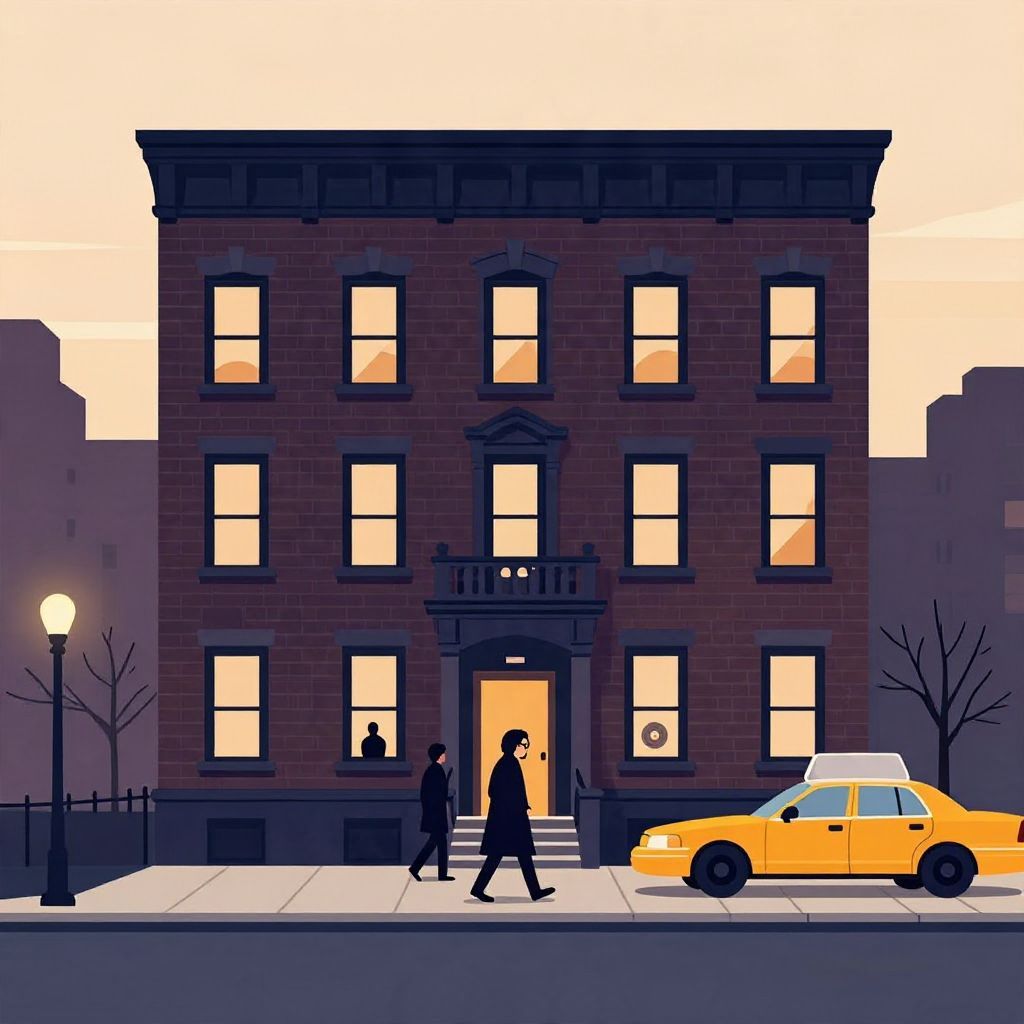
Who killed John Lennon, and why? The short answer is that Mark David Chapman shot and killed Lennon outside the Dakota apartment building in New York City on December 8, 1980. Chapman later said he acted for attention, fame, and a twisted sense of grievance, and he was diagnosed with serious mental illness, but no single explanation fully captures the crime.
Lennon’s murder shocked the world because it ended the life of one of the most famous musicians of the 20th century. It also raised enduring questions about celebrity, mental illness, violence, and the vulnerability of public figures in modern urban life.
Who killed John Lennon and why?
Mark David Chapman killed John Lennon on December 8, 1980, by firing five shots at him in New York City. Chapman later told investigators and parole boards that he wanted notoriety and believed killing Lennon would make him famous. His motives also reflected obsession, resentment, and a disturbed mental state rather than any political conspiracy.
What happened on the night Lennon was shot?
John Lennon and Yoko Ono were returning to their home at the Dakota, on Manhattan’s Upper West Side, after a recording session. Earlier that day, Lennon had signed an album for Chapman, who had been waiting near the building. Later that evening, Chapman approached Lennon again and shot him in the back and shoulder area at close range. Lennon was rushed to Roosevelt Hospital, where he was pronounced dead shortly after 11 p.m.
A brief sequence of events
- Afternoon: Chapman waited near the Dakota and met Lennon briefly.
- Evening: Lennon and Ono returned home from the studio.
- Just before 11 p.m.: Chapman fired multiple shots at Lennon.
- Aftermath: Lennon was taken to the hospital and died from his wounds.
Who was Mark David Chapman?
Mark David Chapman was not a political assassin or a member of a larger conspiracy. He was a troubled 25-year-old man from Hawaii who had developed an intense fixation on Lennon. Chapman had a history of emotional instability, and later psychiatric evaluations and court proceedings explored his mental health in detail. Still, the historical record shows that he alone carried out the killing.
His obsession with Lennon
Chapman’s own statements suggest that he saw Lennon as both a symbol of success and a target for his anger. He was reportedly angered by Lennon’s wealth and public image, especially the contrast between Lennon’s earlier idealism and his later comfortable lifestyle. Chapman also drew inspiration from The Catcher in the Rye, a novel he associated with alienation and authenticity. That literary fixation has often been overstated in popular retellings, but it was part of his self-justification.
Why did Chapman kill Lennon?
The most reliable answer is that Chapman wanted recognition and believed murder would transform him from an ordinary, unhappy man into someone the world would notice. He also expressed resentment toward Lennon’s fame and perceived hypocrisy. Historians and psychologists generally treat his explanations as a mix of delusion, self-dramatization, and genuine mental disturbance rather than a coherent political or ideological motive.
What historians can say with confidence
- Chapman acted alone.
- He had become intensely focused on Lennon before the murder.
- He wanted attention and notoriety.
- He framed the killing through personal grievance and mental instability.
What should be treated cautiously
Popular accounts sometimes add conspiracy theories, hidden messages, or elaborate explanations involving governments or secret organizations. There is no credible historical evidence for those claims. The best-supported interpretation is simpler and more disturbing: a lone gunman, driven by obsession and a desire for significance, murdered a global celebrity in public view.
John Lennon’s life and legacy before 1980
To understand the impact of Lennon’s death, it helps to remember who he was. Born in Liverpool in 1940, Lennon rose to fame as a founding member of The Beatles, the most influential band of the 1960s. He became known not only for his songwriting with Paul McCartney but also for his public role in antiwar activism, art, and later solo music with Yoko Ono.
From Beatle to solo artist
After The Beatles broke up in 1970, Lennon’s career continued with songs that reflected personal struggle, political idealism, and domestic life. His public image was complicated: he was admired as a peace advocate, but he was also candid about anger, insecurity, and conflict. By 1980, he had returned to recording after years of relative retreat from the music industry.
Why Lennon’s murder mattered historically
Lennon’s death became a major cultural event because it symbolized the fragility of celebrity in the modern age. It also marked the violent end of a figure associated with the optimism of the 1960s. For many people, the killing felt like the close of an era, not just the loss of a musician but the loss of a public voice tied to peace, creativity, and social change.
Immediate consequences
In the days after the murder, fans gathered outside the Dakota and in cities around the world. Radio stations played Lennon’s music continuously, and public mourning was intense. Yoko Ono asked for privacy and later helped shape how Lennon’s legacy would be remembered. The event also intensified discussions about gun violence and the safety of public figures.
Was there a conspiracy?
There is no reliable evidence that Lennon’s murder was part of a conspiracy. Over the years, rumors have linked the killing to intelligence agencies, political enemies, or hidden enemies of Lennon’s activism. These theories persist because Lennon was famous, controversial, and politically outspoken, but historical evidence does not support them. Chapman’s arrest, confession, and later statements consistently point to a lone-actor crime.
Why conspiracy theories spread
High-profile assassinations often generate myths because people struggle to accept that a single unstable individual can change history. Lennon’s fame made the murder seem too large for one man to explain. But historians distinguish between the emotional need for a bigger story and the evidence available in the record.
What happened to Chapman afterward?
Chapman was arrested at the scene and later convicted of second-degree murder. He received a prison sentence of 20 years to life. He has repeatedly sought parole, but his requests have been denied many times. The parole process has kept the case in public memory, though the legal outcome has remained unchanged: Chapman remains responsible for Lennon’s death.
How John Lennon is remembered today
Lennon’s legacy is larger than the circumstances of his death. He remains central to the history of popular music, 20th-century celebrity culture, and the politics of the late 1960s and 1970s. His songs continue to be performed and studied, and his image endures as both a musical innovator and a complicated public figure. The murder did not define his life, but it permanently shaped how the world remembers him.
Key facts at a glance
- Victim: John Lennon
- Killer: Mark David Chapman
- Date: December 8, 1980
- Place: Outside the Dakota, New York City
- Motivation: Attention-seeking, resentment, and mental instability
- Historical significance: A defining moment in modern celebrity history and a major cultural shock
So, who killed John Lennon and why? Mark David Chapman killed him, and the best historical explanation is a grim combination of obsession, resentment, and a desire for notoriety. Lennon’s death remains one of the most famous murders in modern history, not because its cause is mysterious, but because its consequences were so immediate and so deeply felt. For more context, see what happened to John Lennon and when John Lennon was shot.