
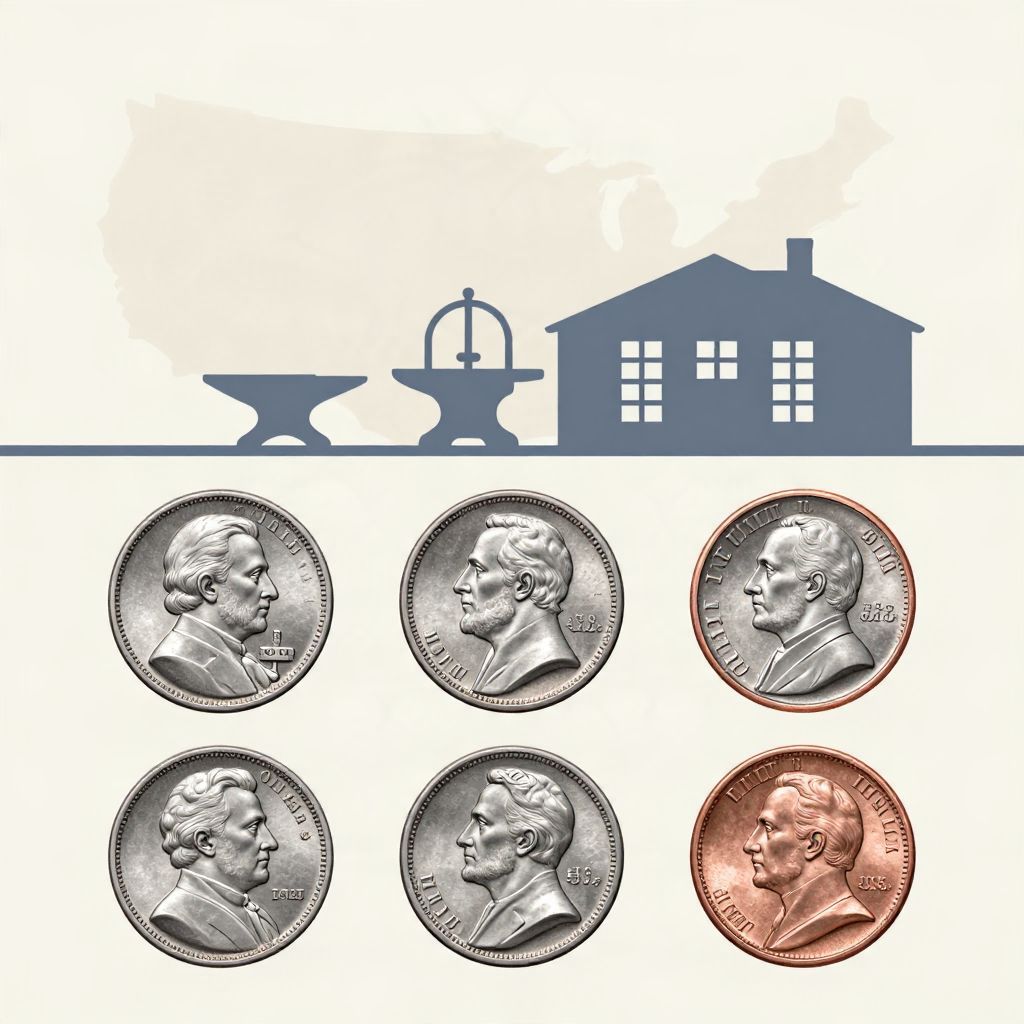
When people ask, “What year were nickels silver?” they are usually asking when U.S. five-cent coins were actually made of silver. The short answer is that regular American nickels were never silver; from their first issue in 1866, they were made mainly of copper and nickel. The confusion comes from wartime silver-colored nickels struck in the 1940s, especially the silver alloy used from 1942 to 1945.
So the date matters, but the bigger story is about coin shortages, wartime metal needs, and the changing composition of everyday money in the United States.
What year were nickels silver?
Nickels were silver-colored from 1942 to 1945, but they were not pure silver. During World War II, the U.S. Mint changed the five-cent coin’s metal mix to conserve nickel for military use. These “silver nickels” contained 35% silver, 56% copper, and 9% manganese, and they were made only during the war years.
Why people think nickels were silver
The nickname “silver nickel” is understandable because wartime nickels looked different from ordinary ones. Their color was lighter, and many people associate that appearance with silver. But appearance alone can be misleading. Most nickels in U.S. history were struck from a copper-nickel alloy, not silver, and the modern five-cent piece still follows that basic tradition.
The original nickel coin was not silver
The first U.S. five-cent coin made for general circulation was the Shield nickel, introduced in 1866. It contained no silver. Instead, it was made of 75% copper and 25% nickel, a hard, durable alloy that resisted wear better than silver would have for a low-value coin used constantly in daily commerce.
Nickel as a metal, not a denomination
The word “nickel” refers to the metal in the coin, not to silver. In the United States, the five-cent piece came to be called a nickel because of its composition. That naming habit is part of why the question gets asked so often: people hear “nickel” and assume the coin must have had a silver period in its history.
The wartime silver nickels of 1942 to 1945
The only U.S. nickels made with silver were the wartime issues produced from 1942 through 1945. These coins were created because nickel was urgently needed for armor plating, stainless steel, and other military uses during World War II. The Mint needed a substitute that would still work in vending machines and everyday transactions.
How the wartime alloy was chosen
The U.S. government wanted a coin that would be easy to distinguish from ordinary nickels while still functioning in circulation. After testing, officials approved a composition of 35% silver, 56% copper, and 9% manganese. The manganese helped give the coin the right electrical and physical properties for machines.
How to identify a silver wartime nickel
Collectors and historians identify wartime nickels by a large mint mark placed above Monticello on the reverse. This was a deliberate design choice. The Mint marked them with a prominent P, D, or S to show they were different from regular nickels and to make their special wartime composition obvious.
- 1942: Wartime silver nickels begin, with a midyear transition in production.
- 1943–1945: Full wartime silver nickel production continues.
- Late 1945: Regular copper-nickel composition returns after the war.
Why the U.S. Mint changed nickel composition during World War II
The change was driven by wartime necessity, not by a desire to make a more valuable coin. Nickel was a strategic metal. It was essential in alloys used for equipment, machinery, and military hardware. By removing nickel from the five-cent piece, the government could redirect that metal to the war effort while keeping small change in circulation.
Everyday money had to keep working
One of the government’s challenges was balancing wartime conservation with civilian life. Coins had to remain durable, recognizable, and acceptable for commerce. The wartime nickel solved that problem without forcing a major overhaul of the cash economy. It was a practical compromise shaped by total war.
What happened before and after the silver years
To understand the silver nickel question fully, it helps to place it in the broader history of the five-cent coin. The U.S. nickel evolved through several designs and metal changes, but silver was only part of one short wartime chapter.
Before 1942
From 1866 onward, the standard five-cent coin was a copper-nickel piece. Designs changed over time, including the Shield nickel, Liberty Head nickel, Buffalo nickel, and then the Jefferson nickel beginning in 1938. None of these regular issues were silver.
After 1945
Once the war ended, the Mint returned to the familiar copper-nickel composition. The silver content was temporary and tied directly to wartime shortages. That is why silver nickels are historically important but not part of the normal long-term makeup of the denomination.
How wartime nickels fit into broader U.S. coin history
Wartime nickels are a good example of how coins reflect larger historical forces. Money is not just a medium of exchange; it also records government priorities, industrial demands, and public adaptation during crisis. In this case, a small coin tells the story of a global war reaching into ordinary American pockets.
Coins as historical evidence
Collectors study metal content, mint marks, and design changes because they reveal how the federal government responded to pressure. The silver nickel shows that even a low-denomination coin could be redesigned when national needs required it. That makes it a useful artifact for understanding the home front during World War II.
Why the wartime issues remain collectible
Silver nickels are popular with collectors because they combine historical significance with a special composition. They are not rare in the strictest sense, but they are distinct enough to attract interest. Their value today depends on condition, mint mark, and date, rather than just the silver content alone.
So, were nickels ever really silver?
Yes, but only briefly and only in a limited wartime form. If by “silver” you mean a coin made with silver in it, then the answer is 1942 to 1945. If you mean a normal U.S. nickel made entirely of silver, then the answer is no. The standard nickel was never a silver coin.
That distinction is the key to the whole story. The five-cent piece became silver-colored because World War II changed the nation’s metal priorities, not because the denomination was originally intended to be silver.
Quick answer for readers
If you are looking for the simplest answer to what year were nickels silver, use this: U.S. nickels contained silver from 1942 to 1945. They were wartime coins made to conserve nickel for military production, and they returned to the normal copper-nickel alloy after the war.
For related reading, you may also want to explore when nickels were silver and which president is on the nickel. The larger lesson is simple: the nickel’s metal changed only briefly, but that short change reveals a great deal about American life during World War II.