
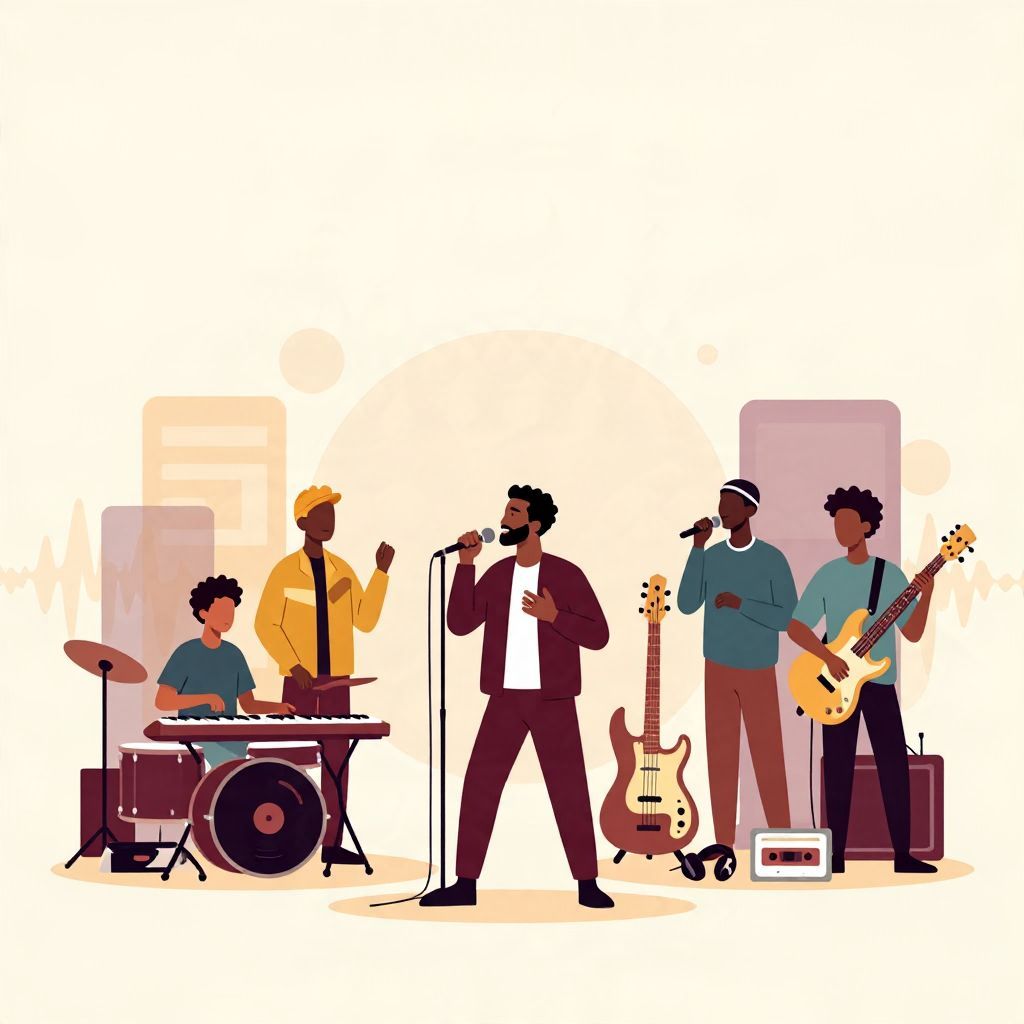
What is neo soul? In historical terms, neo soul is a late-20th-century music genre that blended classic soul, R&B, funk, jazz, hip-hop, and sometimes gospel into a smoother, more introspective style. It emerged in the 1990s, especially in the United States, as artists looked back to the emotional depth of 1960s and 1970s soul while reshaping it for a new era.
The genre is less a single sound than a cultural movement. Neo soul grew from Black musical traditions, studio experimentation, and a desire for more organic, album-focused music at a time when mainstream R&B was becoming more polished and commercially driven.
What Is Neo Soul?
Neo soul is a modern style of soul music that revived older soul influences while adding contemporary production, hip-hop rhythms, and personal, often confessional lyrics. It developed in the 1990s and became associated with artists who emphasized musicianship, live instrumentation, and a retro yet forward-looking aesthetic.
The term is useful, but it is not perfectly precise. Some artists accepted the label, while others resisted it because their work crossed many genres. In practice, neo soul describes a broad musical and cultural trend rather than a rigid category.
Where Did Neo Soul Come From?
The musical roots in earlier soul
Neo soul draws heavily on the legacy of 1960s and 1970s soul, including the work of artists such as Marvin Gaye, Stevie Wonder, Aretha Franklin, Curtis Mayfield, and Donny Hathaway. Those musicians helped define soul as music built on gospel-derived vocal expression, strong rhythm sections, and emotionally direct storytelling. Neo soul revived that spirit, but in a later historical context.
By the 1980s and early 1990s, much mainstream R&B had moved toward sleek drum machines, synthesizers, and radio-friendly production. Neo soul emerged partly as a reaction to that trend. Many listeners and musicians wanted music that felt warmer, more human, and more rooted in live performance.
The influence of hip-hop and alternative Black culture
Neo soul was also shaped by hip-hop culture. Producers borrowed sampling techniques, laid-back grooves, and beat-driven arrangements from rap and related forms. At the same time, the genre often reflected the sensibility of Black urban youth culture in the 1990s: stylish, self-aware, and open to blending old and new forms.
This is one reason neo soul can sound both nostalgic and contemporary. It often honors classic soul textures while using modern studio methods and rhythmic patterns associated with hip-hop and alternative R&B.
When Did Neo Soul Emerge?
The genre is generally associated with the mid-1990s, though its roots extend earlier. The label began to circulate in the music industry around that time, especially after the success of artists such as D’Angelo, Erykah Badu, and Maxwell. Their work helped define the genre’s public identity.
There is no single founding moment. Instead, neo soul developed gradually through recordings, live performances, and critical discussion. By the late 1990s, it had become a recognizable term in music journalism and record marketing, even if the artists themselves did not always agree on its meaning.
Key Characteristics of Neo Soul
Neo soul is identified by a combination of musical and lyrical traits rather than one fixed formula. Common features include:
- Live instrumentation or the deliberate imitation of live-band warmth
- Influence from classic soul and funk
- Hip-hop-inspired beats and production techniques
- Jazz harmonies and more complex chord progressions
- Personal, reflective lyrics about identity, love, spirituality, and social life
- Relaxed tempos and a smooth, intimate mood
These elements do not appear in every neo soul song, but they help explain why the genre feels distinct. It is often less about spectacle than atmosphere, nuance, and emotional texture.
Who Were the Major Neo Soul Artists?
Early defining figures
Several artists are central to the history of neo soul. D’Angelo became one of the genre’s defining voices with Brown Sugar (1995) and especially Voodoo (2000). Erykah Badu helped shape the movement with Baduizm (1997), bringing a distinctive blend of soul, jazz, and spiritual reflection. Maxwell also played a major role in popularizing the style with his smooth vocal approach and polished yet organic sound.
Other important names include Lauryn Hill, whose solo work drew on soul, hip-hop, and gospel influences; Jill Scott, known for spoken-word-inflected lyricism and rich vocal phrasing; and India.Arie, whose music emphasized acoustic warmth and self-affirmation.
Later and related artists
Neo soul’s influence extended into the 2000s and beyond through artists such as Alicia Keys, Musiq Soulchild, Bilal, Solange, and Frank Ocean, though not all of them fit neatly inside the original label. The genre’s boundaries are flexible, and many later musicians borrowed from it without fully belonging to it.
Why Did Neo Soul Matter Historically?
Neo soul mattered because it offered an alternative to the dominant commercial sound of the 1990s. It gave space to artists who wanted to foreground musicianship, lyrical depth, and Black cultural memory. In that sense, it was not just a style of music but also a statement about artistic independence and continuity with earlier Black musical traditions.
The genre also helped broaden the public image of R&B. It showed that contemporary soul music could be experimental, introspective, and rooted in history at the same time. For many listeners, neo soul felt like a recovery of emotional richness in popular music.
How Did Neo Soul Relate to Earlier and Later Genres?
Relationship to classic soul and R&B
Neo soul is often described as a revival of classic soul, but that description can be misleading if taken too literally. It did not simply copy the past. Instead, it reinterpreted older soul traditions through the musical language of the 1990s. The result was a genre that sounded familiar yet distinctly modern.
Relationship to hip-hop and jazz
Hip-hop influenced neo soul through rhythm, sampling, and production style. Jazz influenced it through harmony, improvisation, and phrasing. These overlaps helped neo soul become one of the most musically sophisticated forms of popular Black music in its era.
Relationship to contemporary R&B
Neo soul also helped reshape contemporary R&B. Its success encouraged record labels and audiences to value more organic production and more personal songwriting. Even when the label itself faded from frequent use, its influence remained visible in later R&B and soul-inflected pop.
Was Neo Soul a Strictly Defined Genre?
No. One of the most important facts about neo soul is that the term was always somewhat contested. Critics, marketers, and fans used it in different ways. Some applied it to any modern soul music with a retro feel, while others used it more narrowly for artists who mixed soul with hip-hop and alternative aesthetics.
Because of this, neo soul is best understood as a family of sounds and a historical moment rather than a fixed box. That flexibility is part of why the term has lasted: it captures a broad artistic tendency without reducing every musician to the same formula.
What Cultural Conditions Helped Neo Soul Grow?
Neo soul developed during a period of major change in music production and consumption. The 1990s saw the rise of digital recording, music television, and new marketing categories. At the same time, many artists were responding to the pressures of commercial pop and the fragmentation of Black music into increasingly specialized genres.
There was also a strong cultural interest in authenticity. Listeners often associated neo soul with sincerity, live musicianship, and a rejection of overly manufactured pop. That made the genre especially appealing to audiences who wanted music that felt emotionally grounded and historically connected.
What Is the Lasting Legacy of Neo Soul?
Neo soul’s legacy lies in how it changed expectations for soul and R&B. It helped normalize genre blending, encouraged more intimate and personal songwriting, and revived interest in classic soul aesthetics for a new generation. It also expanded the space for Black artists to make music that was commercially viable without abandoning musical complexity.
Today, neo soul is often treated as both a genre and a historical era. Its core ideas—warmth, depth, experimentation, and respect for tradition—continue to influence singers, producers, and songwriters across popular music.
In Summary: What Is Neo Soul?
Neo soul is a 1990s-era musical movement rooted in classic soul but shaped by hip-hop, jazz, and modern R&B production. It emerged in the United States as artists sought a more organic, expressive alternative to polished mainstream sounds. For readers exploring related cultural history, it can also be useful to compare broader patterns of artistic change in cultural divergence and other forms of performance tradition.