
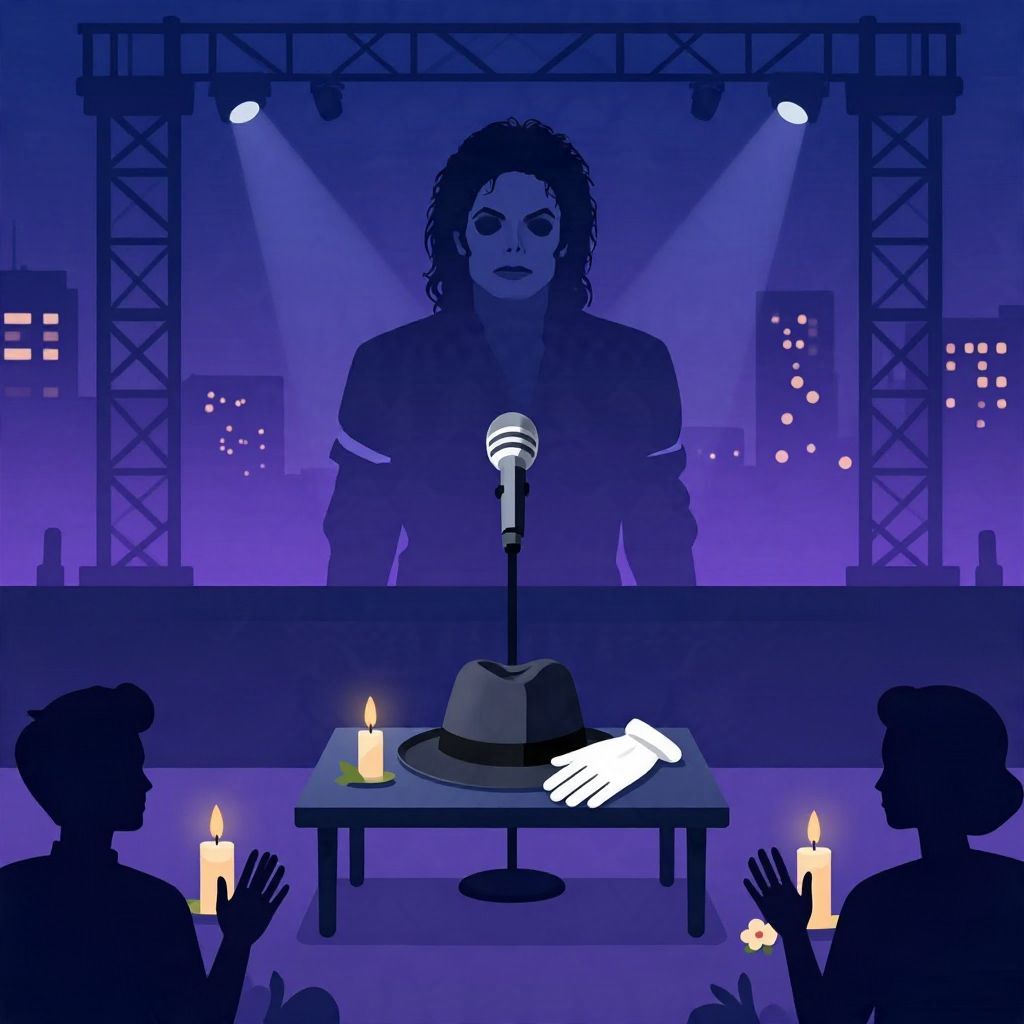
When Michael Jackson passed, the world lost one of the most famous entertainers in modern history. He died on June 25, 2009, in Los Angeles, California, at the age of 50. His death immediately became a global news event, not only because of his celebrity but because of the intense public interest in his career, health, and final days.
Understanding when Michael Jackson passed also means understanding the circumstances around his death, the official findings that followed, and the cultural impact that followed in the years after.
When Michael Jackson Passed: The Direct Answer
Michael Jackson passed away on June 25, 2009, in Los Angeles, California. He was pronounced dead at Ronald Reagan UCLA Medical Center after being found unresponsive at his home. His death was later ruled a homicide caused by acute propofol intoxication, with other sedatives contributing.
What Happened on the Day Michael Jackson Died?
Michael Jackson died at his rented home in the Holmby Hills neighborhood of Los Angeles. According to the official account, emergency responders were called after he was found not breathing. He was transported to the hospital, where efforts to revive him were unsuccessful.
The medical and legal aftermath focused on the role of his personal physician, Dr. Conrad Murray, who had been treating Jackson in the weeks before his death. The investigation centered on Jackson’s use of powerful sedatives and anesthetic drugs, especially propofol, a medication normally used in controlled medical settings rather than for sleep at home.
Why the cause of death mattered
Jackson’s death was not simply treated as a private medical tragedy. Because he was such a high-profile figure, the circumstances prompted a major criminal investigation and a public debate about prescription drug misuse, celebrity medicine, and the risks of unsupervised drug administration. The case became one of the most closely watched celebrity deaths of the 21st century.
Who Was Michael Jackson?
Michael Jackson was an American singer, dancer, songwriter, and performer whose career reshaped popular music and stage performance. Born on August 29, 1958, in Gary, Indiana, he first rose to fame as a child in the Jackson 5 before becoming an international solo superstar.
By the 1980s, Jackson had become one of the most recognizable figures in the world. Albums such as Thriller, Bad, and Dangerous made him a dominant force in music, television, and live performance. His influence extended beyond record sales; he helped define the modern music video era and set new standards for global pop stardom.
Why his fame made his death historic
Jackson was not only a successful musician but a cultural symbol. His death drew worldwide attention because millions of people had grown up with his music and image. News of his passing spread rapidly across television, radio, and the internet, leading to public mourning in many countries.
The Final Months Before His Death
In 2009, Jackson was preparing for a major comeback with a planned concert series in London called This Is It. The shows were intended to mark a return to live performance after years away from the stage. Rehearsals were underway in the months before his death, and public interest in the concerts was enormous.
At the same time, Jackson’s health and dependence on medication were widely discussed. Reports from the period suggest he was struggling with insomnia, stress, and physical fragility. While many details of his private medical condition remain sensitive, the broad historical record shows that his final months were marked by pressure, anticipation, and serious health concerns.
The role of the comeback tour
The planned London concerts mattered because they showed that Jackson was still trying to rebuild his career. His death turned what might have been a major late-career revival into a final chapter. The unfinished tour also helped shape the public memory of his last year, especially through the posthumous release of the documentary film This Is It.
Official Findings and Legal Aftermath
After extensive investigation, Jackson’s death was ruled a homicide. The central issue was the administration of propofol in a home setting, along with other medications that were present in his system. In 2011, Conrad Murray was convicted of involuntary manslaughter in connection with Jackson’s death.
The legal case did not erase all public debate. Some observers focused on medical negligence, while others pointed to the broader culture of celebrity pressure and access to prescription drugs. What is historically clear is that Jackson’s death became a landmark case in discussions of drug safety and medical responsibility.
What the ruling means historically
In historical terms, the ruling mattered because it moved the story beyond rumor and speculation. It established that Jackson’s death was not simply an unexplained collapse, but the result of specific medical actions and decisions. That distinction helped shape how the case is remembered in law, medicine, and popular culture.
How the World Reacted to Michael Jackson’s Passing
The reaction to Jackson’s death was immediate and global. Fans gathered outside hospitals, homes, and public spaces to mourn. Television networks interrupted regular programming, and news outlets around the world led with the story. In many places, people described the moment as a cultural shock comparable to the deaths of other major 20th-century icons.
Public grief was amplified by the internet age. News spread through social media and online platforms at extraordinary speed, making Jackson’s death one of the defining media events of 2009. Tributes came from musicians, dancers, actors, and public figures across the world.
Memorials and public mourning
A memorial service was later held at the Staples Center in Los Angeles, drawing enormous attention. The event reflected both Jackson’s fame and the scale of global mourning. For many fans, the memorial was not only a farewell but also a recognition of how deeply his music had shaped private and public life.
Why Michael Jackson’s Death Still Matters
Michael Jackson’s passing remains historically significant for several reasons. First, it marked the end of an era in popular music. Second, it exposed the dangers of prescription drug misuse in elite entertainment circles. Third, it showed how modern media can turn a celebrity death into a worldwide historical event within minutes.
His death also affected the music industry itself. Sales of his albums surged after 2009, and his work continued to be reissued, analyzed, and debated. At the same time, discussions about his legacy became more complicated, with some focusing on artistic genius and others on the controversies that surrounded his life.
Legacy after 2009
After Jackson passed, his influence did not disappear. Instead, it became even more visible in retrospectives, documentaries, tribute performances, and critical reassessments. His choreography, vocal style, music videos, and stagecraft continued to shape later generations of performers.
Common Questions About When Michael Jackson Passed
How old was Michael Jackson when he died?
Michael Jackson was 50 years old when he died on June 25, 2009.
Where did Michael Jackson die?
He died in Los Angeles, California, after being found unresponsive at his home in Holmby Hills and taken to the hospital.
What was the official cause of death?
The official cause of death was ruled acute propofol intoxication, with other contributing sedatives. The death was classified as a homicide.
Was Michael Jackson planning to return to performing?
Yes. He was preparing for the This Is It concert series in London, which was meant to be a major comeback.
Conclusion
When Michael Jackson passed on June 25, 2009, it ended the life of one of the most influential performers of the modern era and triggered a worldwide response that went far beyond music. His death remains a major historical moment because it combined celebrity, medicine, law, and global media in a way few events ever have. For readers interested in broader cultural history, related topics such as the history of pop music and famous deaths in history offer useful context.