
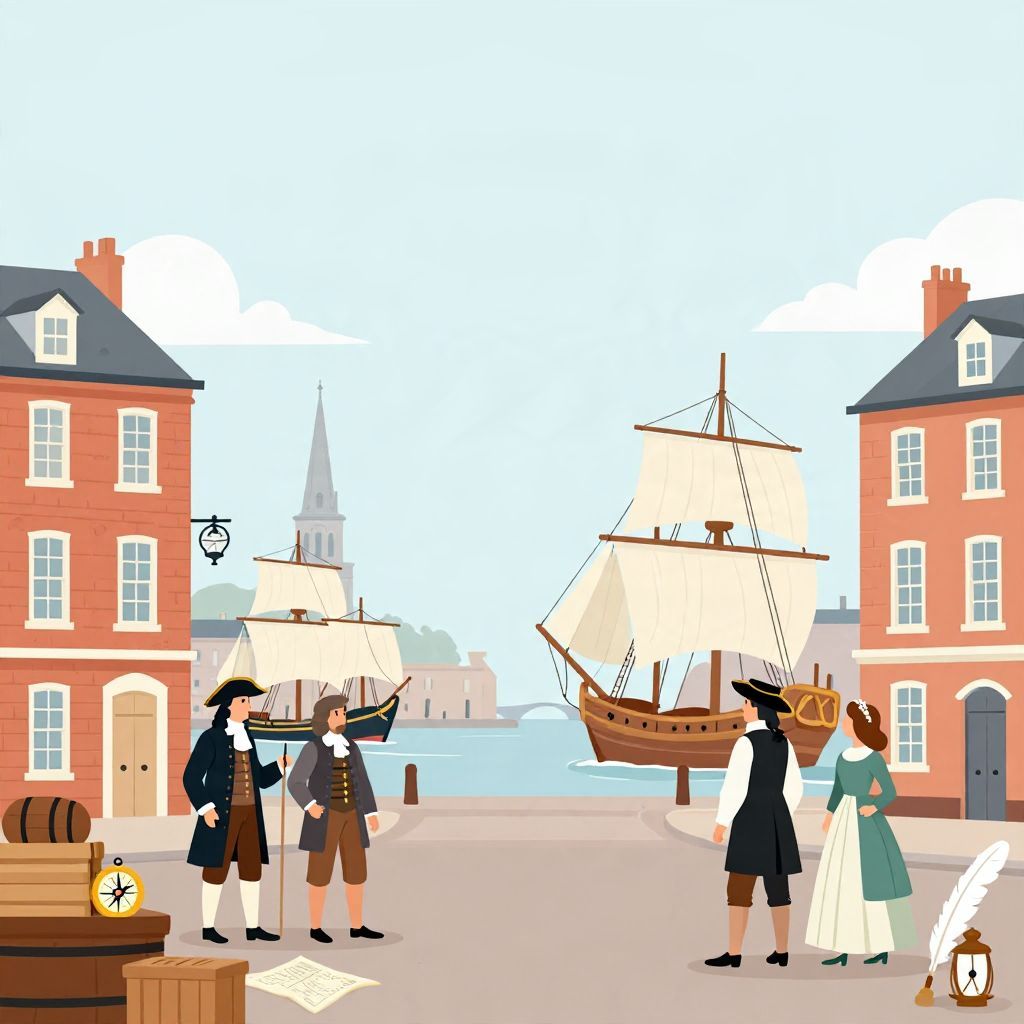
What is 1738? In history, the answer depends on context. It may refer to the year 1738, which sits in the early modern era, or to a modern cultural reference that borrows the number for branding and identity. If you are asking from a historical perspective, the most direct meaning is simply the year 1738 in the Gregorian calendar.
That year mattered because it fell during a period of empire, trade, religious change, and intellectual ferment. Several developments in Europe and the Atlantic world shaped the decades that followed, while the number itself has also taken on a later life in popular culture.
What Is 1738?
1738 is a year in the 18th century, between 1737 and 1739, in the Gregorian calendar. Historically, it is best understood as part of the broader early modern world: an era of expanding European empires, growing global trade, and major political and cultural change. The year itself is not famous for one single universal event, but it belongs to a period that was highly consequential.
The Historical Setting of 1738
To understand 1738, it helps to place it in the world of the 1730s. Europe was still shaped by dynastic politics, colonial competition, and the balance of power among monarchies. Across the Atlantic, plantation economies and enslaved labor were central to imperial wealth. In many regions, religious life remained intense, but new ideas from the Enlightenment were also spreading through print and conversation.
Europe in the early 18th century
By 1738, Britain, France, Spain, Austria, Prussia, and other powers were maneuvering for influence. The War of the Polish Succession was underway in the 1730s and would end in 1738. This conflict was not only about who would rule Poland; it also reflected the wider struggle among European powers over territory, alliances, and prestige.
The Atlantic world and empire
The year 1738 also belonged to an age of imperial expansion. European states controlled colonies in the Caribbean, North America, South America, Africa, and Asia. Trade in sugar, tobacco, textiles, metals, and enslaved people connected distant regions. The economy of 1738 was therefore not local or isolated; it was increasingly global, though deeply unequal and often violent.
Why Is 1738 Historically Important?
1738 matters because it sits at the intersection of several larger historical processes. It was a year of treaties, religious revival, and political consolidation, and it also marked moments in the lives of influential thinkers and leaders. Rather than being remembered for one dramatic event, it is significant as part of a turning point in the 18th century.
The end of the War of the Polish Succession
One of the most important developments associated with 1738 was the Treaty of Vienna, which helped end the War of the Polish Succession. The war had begun in 1733 after a disputed royal election in Poland. Although the conflict centered on the Polish throne, it quickly became a broader European war involving France, Austria, Spain, and other powers. The settlement confirmed that local succession disputes could trigger international crisis.
The treaty did not simply end fighting; it also reshaped territorial arrangements and diplomatic relationships. Like many 18th-century peace settlements, it reflected compromise rather than decisive victory. Its significance lies in how it revealed the interconnected nature of European politics.
Religious revival and the beginnings of Methodism
In the English-speaking world, 1738 is especially important in religious history. It is commonly associated with the spiritual conversion experience of John Wesley, a key figure in the rise of Methodism. Wesley later described May 1738 as a turning point in his faith. Historians treat this as important not because of one private moment alone, but because it helped shape a movement that would become influential in Britain and beyond.
Methodism grew out of Anglican reform efforts and emphasized disciplined devotion, preaching, and personal religious experience. In the decades after 1738, it spread widely among ordinary people, especially in settings where formal church structures felt distant or unresponsive. Its growth shows how religion in the 18th century could be both traditional and innovative.
Enlightenment-era thought
1738 also belongs to the age of the Enlightenment, when writers and philosophers increasingly emphasized reason, observation, and debate. The movement did not begin in one year, nor did it affect every society in the same way, but by the late 1730s its influence was visible in science, literature, politics, and education. The year 1738 is therefore part of a broader intellectual climate that would shape modern ideas about government and knowledge.
Key Events and Developments in 1738
Several notable events from 1738 illustrate the character of the period. Some were political, some religious, and some cultural. Together they show how the year fits into larger patterns rather than standing apart as an isolated date.
- The Treaty of Vienna helped bring the War of the Polish Succession to a close.
- John Wesley’s religious experience became central to later Methodist memory and identity.
- Imperial competition continued across Europe and the Atlantic world.
- Print culture and public debate kept expanding, helping spread religious and political ideas.
Political settlement in Europe
The peace arrangements of 1738 mattered because they showed how diplomacy could preserve a fragile balance among major states. In the 18th century, wars were often fought not to destroy an enemy completely, but to improve bargaining positions. The results were usually partial and temporary, which helps explain why Europe would see further major conflict only a few years later.
Religious change in Britain and beyond
Wesley’s experience in 1738 is often remembered in religious history because it helped inspire a movement that stressed conversion, moral seriousness, and active ministry. Methodism did not emerge overnight, and it was not founded by one event alone. Still, 1738 became a symbolic date because it marked a shift in Wesley’s own spiritual journey and in the movement that followed.
Cultural life in the 1730s
The 1730s were also a time of growing urban culture. Coffeehouses, pamphlets, newspapers, sermons, and theatrical performances helped create a more public sphere in parts of Europe. People in 1738 lived in a world where ideas could travel more quickly than before, even though literacy and access to print remained uneven.
What Did 1738 Mean in Everyday Life?
For most people, 1738 was not a dramatic headline year but an ordinary one shaped by work, religion, family, and local politics. Rural life still dominated much of Europe, while towns and ports expanded through commerce. In many places, daily life was marked by seasonal labor, high mortality, and limited social mobility.
Work and economy
Most people in 1738 worked in agriculture or in trades tied to local markets. In port cities, merchants, sailors, dockworkers, and artisans were part of a wider Atlantic economy. Wealth was unevenly distributed, and many of the goods consumed in Europe depended on colonial extraction and enslaved labor overseas.
Religion and community
Church attendance, local customs, and communal obligations remained central to social life. Religious identity could be deeply personal, but it was also tied to law, education, and politics. The rise of movements like Methodism shows that people were searching for forms of faith that felt more immediate and emotionally compelling.
How Historians Use a Year Like 1738
Historians usually do not treat 1738 as a standalone turning point in the way they might treat a revolution or a treaty. Instead, they use it as a marker within a longer chronology. A year becomes important when it helps connect events, reveal patterns, or show change over time.
As a date in chronology
Chronology matters because it helps historians understand cause and effect. For example, the Treaty of Vienna in 1738 makes more sense when read alongside the war that preceded it and the diplomatic tensions that followed it. Likewise, Wesley’s 1738 experience matters because of the movement that developed afterward.
As a cultural reference
In modern popular culture, “1738” is also known as a reference used in music and branding, especially through association with rapper Fetty Wap and Rémy Martin 1738 cognac. That usage is contemporary and has no direct connection to the historical year itself. It is a reminder that numbers can acquire new meanings long after their original historical context.
Common Misunderstandings About 1738
Because the number appears in modern culture, some people assume it has a single hidden historical meaning. In reality, 1738 can refer to different things depending on context. The historical year is the most straightforward meaning, but later cultural uses have given it additional associations.
Not one event, but a period
It is a mistake to treat 1738 as if it were defined by one universal event. Its historical importance comes from being part of a wider era of war, diplomacy, religious change, and imperial expansion. The year is best understood as a window into the 18th century rather than as a standalone legend.
Separating history from later symbolism
Modern references to “1738” are real cultural facts, but they are not the same as the historical year. When discussing history, it is important to distinguish between the actual 18th-century context and later symbolic uses of the number in music or branding.
Conclusion: The Historical Meaning of 1738
So, what is 1738? Historically, it is an 18th-century year shaped by European diplomacy, imperial rivalry, and religious change. Its significance lies less in a single event than in the larger world it represents: a connected, contested, and fast-changing early modern age. If you want to explore related topics, you may also enjoy reading about cultural divergence or urban conflict and historical memory in Gangs of New York.