
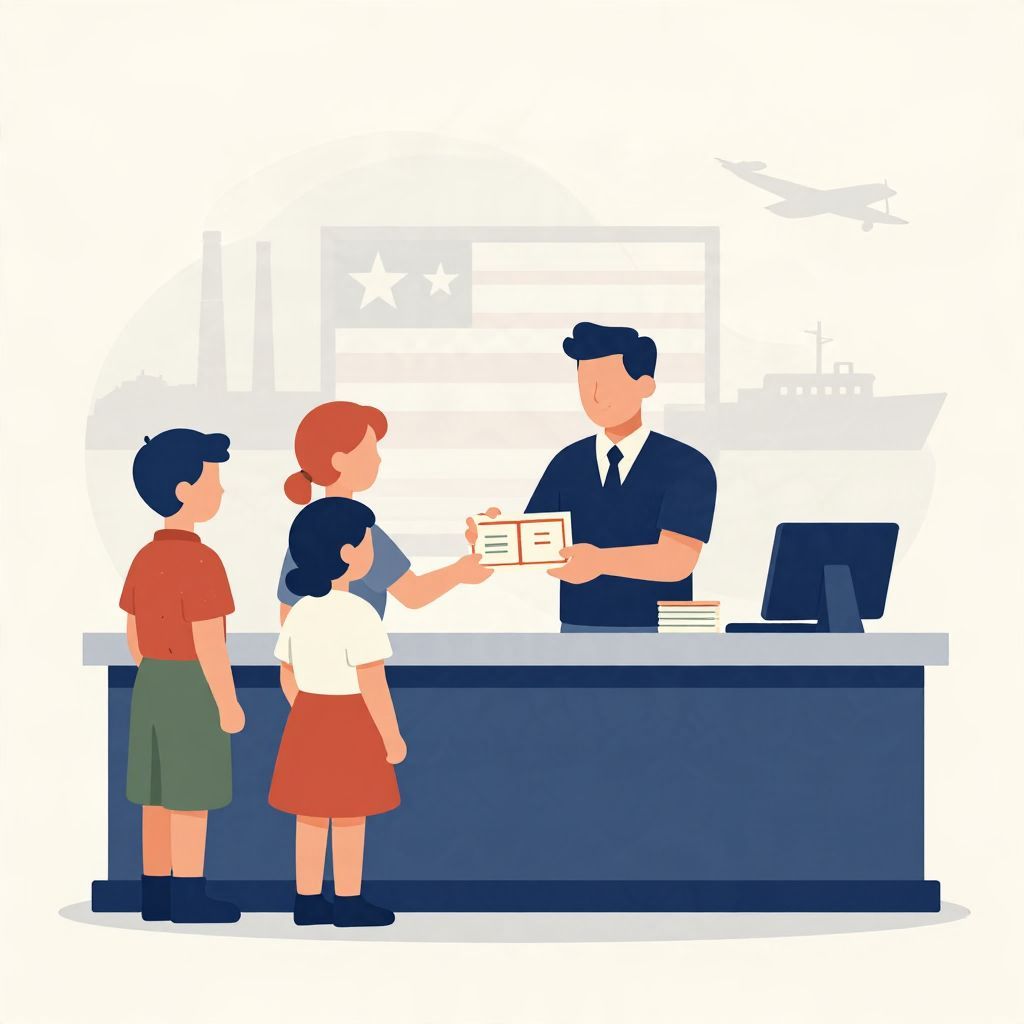
War bonds were government-issued debt securities sold to the public to help finance a war. In simple terms, people lent money to the state, usually in exchange for a promise of repayment with interest at a later date. They became especially famous during the two World Wars, when governments needed huge amounts of money quickly and wanted civilians to share in the war effort.
They were not just financial tools. War bonds were also propaganda, patriotism, and public pressure rolled into one. Buying them was often presented as a civic duty, a sign of loyalty, and a way for ordinary people to support soldiers at the front.
What Are War Bonds?
War bonds are bonds issued by a government during wartime to raise money from citizens and institutions. The government borrows funds now and repays them later, usually with interest. Historically, they were used to cover the enormous costs of armies, weapons, ships, supplies, and wartime administration when taxes alone were not enough.
The basic idea
A bond is a loan. When a person buys a war bond, they are lending money to the government for a fixed period. In return, the government promises to pay back the principal plus interest. War bonds were often sold in small denominations so that ordinary workers, families, and children could participate, not just wealthy investors.
Why governments used them
Wars are expensive on a scale that can overwhelm normal state finances. Governments have several ways to pay for them: raise taxes, print money, borrow from banks and investors, or sell bonds to the public. War bonds spread the financial burden across society and could also reduce inflation by encouraging people to save rather than spend.
Where Did War Bonds Come From?
Governments have borrowed money for war for centuries, but the modern war bond became especially important in the 19th and 20th centuries, when states developed larger bureaucracies and mass public finance. Earlier wars were often funded by royal borrowing, forced loans, taxes, or the sale of long-term government debt to elites. The idea of mobilizing ordinary citizens through small-denomination bonds grew with modern mass politics and mass warfare.
Early precedents
Long before the phrase “war bond” became common, states borrowed to fight wars. European governments in the early modern period issued public debt to finance conflicts, and governments during the Napoleonic era also relied heavily on borrowing. What changed later was the scale of participation and the deliberate use of public campaigns to persuade millions of civilians to lend money to the state.
The rise of mass war finance
By the late 19th and early 20th centuries, industrialized warfare required vast sums for artillery, railways, munitions, food, uniforms, and transport. Governments increasingly turned to citizens for savings. War bonds fit this new world because they could be sold through banks, post offices, workplaces, schools, and public campaigns.
How War Bonds Worked in Practice
War bonds were usually sold at a discount or with interest structured so that the buyer would receive more money at maturity than they paid initially. Governments often set maturity dates years in the future. This meant the state got immediate wartime cash, while repayment was delayed until after the conflict, when the economy might be more stable.
Common features
- Small denominations: affordable amounts made mass participation possible.
- Fixed maturity: the bond would be repaid on a set date.
- Interest or redemption premium: buyers earned a return over time.
- Public campaigns: posters, rallies, speeches, and celebrity endorsements encouraged purchases.
- Patriotic messaging: buying bonds was framed as helping soldiers and the nation.
Voluntary and coercive elements
In theory, war bonds were voluntary purchases. In practice, the pressure could be intense. Employers, local committees, schools, and civic organizations sometimes promoted or expected participation. In some countries, propaganda created a strong social norm that “good citizens” bought bonds, while refusal could be viewed as unpatriotic.
War Bonds in the First World War
War bonds became especially visible during World War I (1914–1918). Belligerent states needed unprecedented sums to fund trench warfare, heavy artillery, naval blockades, and mass armies. Governments launched national bond drives to tap civilian savings and to make the home front feel directly involved in the war.
Britain, France, Germany, and the United States
Different countries used different systems, but the logic was similar: raise money and build public commitment. In the United States, Liberty Bonds became a major part of the war effort after American entry in 1917. In Britain and France, war loans and public subscriptions also played a major role. Germany likewise relied on war loans, though the economic strains of the war and its aftermath were severe.
Propaganda and persuasion
World War I bond campaigns used posters, newspaper advertisements, parades, school events, and speeches. They often linked bond purchases to sacrifice, duty, and national survival. The message was simple: if soldiers were risking their lives, civilians should lend their money. This emotional appeal was central to the success of many drives.
War Bonds in the Second World War
War bonds reached their most famous form during World War II (1939–1945). Governments again needed enormous sums, but now mass media made campaigns even more powerful. Radio broadcasts, film shorts, posters, workplace drives, and celebrity endorsements turned bond buying into a major part of civilian wartime life.
The United States and the War Bond campaigns
In the United States, war bonds were sold on a huge scale through the Treasury’s bond drives. Americans were urged to buy bonds regularly, often through payroll deductions. These campaigns were designed to do more than raise money: they also helped control inflation by encouraging people to save rather than spend on scarce wartime goods.
Britain and National Savings
Britain used war savings certificates, national savings campaigns, and other forms of government borrowing to support the war effort. The public was encouraged to save modest amounts consistently. The broader aim was to turn civilian thrift into a patriotic contribution.
Why the campaigns mattered
World War II bond drives helped governments mobilize entire societies. They connected factories, households, schools, and local communities to the war economy. They also reinforced the idea that war was not only fought by armies but financed by civilians at home.
Why War Bonds Were Important
War bonds mattered because they solved several problems at once. They gave governments access to large amounts of money, spread the financial burden across the population, and created a sense of shared sacrifice. They also helped authorities manage inflation and keep wartime consumption under control. In that sense, war bonds were both an economic instrument and a political one.
Economic effects
When people bought bonds, they moved money from circulation into government hands. This could reduce pressure on prices in an economy already stretched by shortages and military production. Of course, the state still had to repay the debt later, often over decades, so war bonds did not eliminate the cost of war; they postponed and redistributed it.
Social and political effects
War bonds helped create a “home front” culture. Citizens were asked to see themselves as active participants in national defense. This could strengthen solidarity, but it could also blur the line between voluntary support and social coercion. In wartime democracies and authoritarian states alike, financial participation became a measure of loyalty.
Were War Bonds a Good Investment?
For some buyers, war bonds were a safe and respectable savings vehicle. Governments were generally considered reliable borrowers, especially in countries with stable financial systems. However, the value of a war bond depended on inflation, interest rates, and the government’s postwar ability to repay. In periods of economic instability, the real return could be disappointing.
Patriotism versus profit
Many people bought war bonds not because they expected a large gain, but because they wanted to help. This was especially true during national emergencies. The patriotic appeal was often more important than the financial return, and governments knew it.
What Happened to War Bonds After the Wars?
After major wars, governments usually continued to redeem outstanding bonds over time. Some were converted, refinanced, or replaced by other public debt instruments. As wartime urgency faded, the special propaganda campaigns ended, but the debt remained part of the national financial burden.
The long aftermath
War debt could shape postwar budgets for years or even decades. Governments had to balance repayment with reconstruction, veterans’ benefits, and social spending. In that sense, war bonds were not only a wartime tool; they also influenced the peacetime economy that followed.
Key Facts About War Bonds
- War bonds are government debt sold to raise money for war.
- They became especially prominent during World War I and World War II.
- They were often marketed as patriotic duties as much as financial products.
- They helped governments borrow from ordinary citizens, not just banks and elites.
- They could reduce inflation by encouraging saving during wartime.
- They did not remove war costs; they spread them across time and society.
Why War Bonds Still Matter Historically
War bonds reveal how modern states wage war not only with armies and weapons, but with finance, persuasion, and public participation. They show the close link between citizenship and state power in the 20th century. Studying war bonds helps explain how governments mobilized entire populations for total war and how ordinary people were drawn into the economic side of conflict.
In short, war bonds were a way for governments to borrow money from the public to pay for war, while also turning finance into a patriotic act. They were central to the war economies of the 20th century and remain an important example of how states have financed conflict. For related background, see what happened in 1917 and what was the Great Fear.