
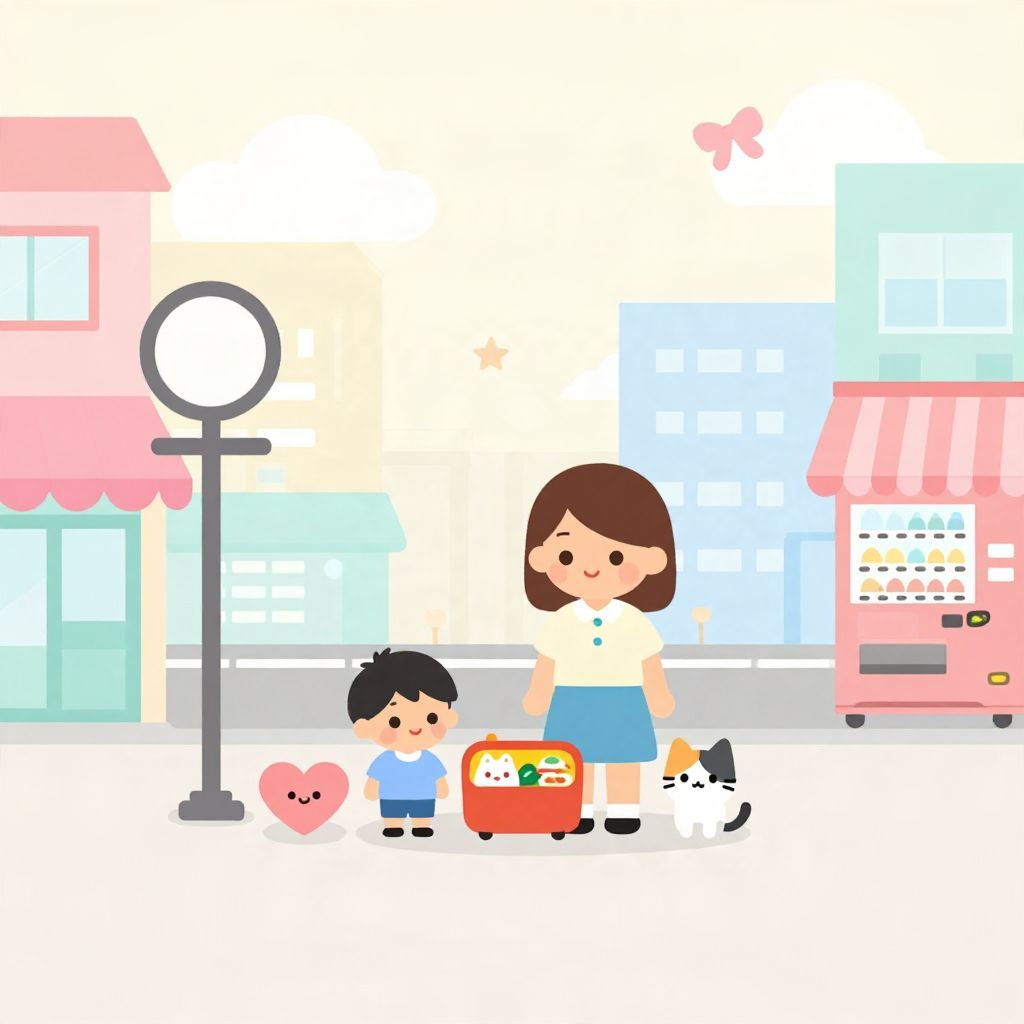
What is kawaii? In Japanese, kawaii most commonly means “cute,” “adorable,” or “lovable,” but its history is broader than a simple style word. Over time, it grew into a major cultural aesthetic in Japan, shaping fashion, design, advertising, character goods, and even ideas about social behavior.
The question matters because kawaii is not just a trend. It reflects changing tastes in modern Japan, especially from the postwar period onward, and it has become one of the country’s most recognizable cultural exports.
What Is Kawaii?
Kawaii is a Japanese term for cuteness, charm, and endearing softness, but historically it developed into a wider aesthetic and social style. By the late 20th century, it described everything from handwriting and clothing to mascots, toys, and pop idols, becoming a defining feature of contemporary Japanese popular culture.
Where Did the Idea of Kawaii Come From?
The word itself is older than the modern culture around it. It likely developed from an earlier expression meaning “to feel pity” or “to be lovable because something is small, fragile, or vulnerable.” In premodern Japanese, the emotional sense of tenderness was important: something kawaii could inspire affection because it seemed delicate or in need of care.
This older meaning helps explain why kawaii was never only about appearance. It combined visual softness with emotional response. A small child, a tiny animal, or a modest, shy manner could all be described as kawaii because they invited warmth and protection.
From Emotion to Aesthetic
In earlier Japanese literature and everyday speech, words related to cuteness often carried a feeling of tenderness rather than a commercial style. Over time, especially in the 20th century, that emotional meaning expanded into a visual language. Rounded shapes, pastel colors, large eyes, soft voices, and playful accessories all came to signal kawaii.
That shift from feeling to aesthetic is important. Kawaii became a way of presenting identity, not just describing an object or person. It could express innocence, friendliness, youthfulness, or even a deliberate refusal of strict adult formality.
How Did Kawaii Become a Modern Cultural Phenomenon?
The modern history of kawaii is closely tied to Japan’s rapid social and economic change after World War II. As consumer culture expanded in the 1950s, 1960s, and 1970s, young people—especially schoolgirls and urban youth—began creating new styles of handwriting, decoration, and self-presentation that emphasized playfulness and individuality.
By the 1970s, kawaii had become visible in magazines, stationery, toys, and fashion. This was not a top-down invention by the state or a single company. It grew from youth culture, mass media, and consumer markets interacting with one another.
The Schoolgirl Style and Handwriting Trend
One of the best-known early expressions of modern kawaii was the rise of cute handwriting among Japanese schoolgirls in the 1970s. Rounded letters, hearts, stars, and playful symbols appeared in notebooks and letters. Some schools discouraged the style, but it spread widely through youth culture and commercial products.
At the same time, new character designs and stationery items encouraged a more expressive, decorative style. This was a key moment: kawaii moved from a general adjective to a recognizable cultural mode.
Sanrio and the Rise of Character Goods
No discussion of kawaii history is complete without Sanrio, the company founded in 1960. Sanrio helped popularize character-based merchandising, especially through figures like Hello Kitty, introduced in 1974. These characters were designed to be simple, emotionally appealing, and easy to place on many products.
Sanrio’s success showed how kawaii could function commercially. A cute character was not just decoration; it was a brand identity that could be sold on bags, pencils, lunch boxes, clothing, and later digital media. This model became central to Japanese consumer culture.
Why Did Kawaii Become So Popular in Japan?
Kawaii became popular for several reasons. It fit a society in which young consumers had growing purchasing power. It also offered a softer, less confrontational form of self-expression in a culture often associated with discipline and social conformity. For many people, kawaii provided a way to be playful without being rebellious in an overt political sense.
There is also a gendered history here. Kawaii was strongly associated with girls and young women, though not exclusively. It offered a space where femininity could be performed in a visible, creative way. At the same time, critics worried that it encouraged childishness or excessive dependence on appearance.
Social Meaning and Criticism
Scholars have often noted that kawaii can be both empowering and limiting. On one hand, it gave young people, especially women, a language of style and self-expression. On the other, it could reinforce expectations of sweetness, innocence, and nonthreatening behavior.
That tension is part of kawaii’s historical significance. It is not simply “cute culture.” It reflects negotiations over age, gender, modernity, and consumer identity in postwar Japan.
Key Features of Kawaii Culture
Kawaii is best understood as a set of visual and behavioral cues rather than a single fixed style. Its features changed over time, but several recurring traits became recognizable in Japanese and global culture.
- Soft shapes and rounded lines
- Bright or pastel colors
- Childlike or youthful imagery
- Small, simplified forms in design
- Friendly, nonthreatening expression
- Decorative excess such as bows, hearts, and sparkles
- Emotional warmth rather than cold perfection
Kawaii can appear in fashion, architecture, food presentation, packaging, toys, school supplies, social media avatars, and company mascots. In each case, the goal is often to create affection, comfort, or approachability.
How Kawaii Spread Beyond Japan
From the late 20th century onward, kawaii became internationally recognizable. Japanese animation, manga, video games, and character merchandise helped spread the aesthetic across Asia, Europe, and North America. Global audiences often encountered kawaii first through Hello Kitty, Pokémon, anime characters, or J-pop imagery.
As it traveled, kawaii changed. Outside Japan, the term is often used more broadly to mean anything cute, especially in online culture. But in Japan, it still carries a richer set of meanings tied to style, social identity, and everyday life.
Globalization and Adaptation
International use of the word “kawaii” sometimes flattens its history. In Japanese context, it can describe a baby, a pet, a fashion trend, a polite gesture, or a beloved character. Abroad, it is often treated as a brand label for a specific visual style.
That difference matters historically. What became a global aesthetic began as a local language of feeling and social expression, then moved into mass culture and finally into worldwide consumption.
Kawaii in Fashion, Media, and Everyday Life
By the 1980s and 1990s, kawaii had become a major part of Japanese visual culture. Fashion subcultures such as Lolita, Decora, and other youth styles used cute imagery in different ways, sometimes emphasizing innocence, fantasy, or playful overload. Magazines and shopping districts helped spread these looks.
In media, kawaii characters became a standard feature of television, advertising, and product design. Companies used cute mascots because they were approachable and memorable. Government offices, sports teams, and local municipalities also adopted mascots to soften their public image and attract attention.
Kawaii and the “Cute Economy”
Economically, kawaii proved highly useful. Cute branding could make products feel friendly and trustworthy. It also worked across age groups: children liked it, teenagers collected it, and adults often enjoyed it as a nostalgic or stress-relieving style.
This helped make kawaii a durable part of consumer capitalism. It was not a passing fad but a flexible design language that could be adapted to many markets.
Is Kawaii Only About Innocence?
No. Although innocence is central to many kawaii images, the aesthetic can also be ironic, rebellious, or self-aware. Some people use kawaii to resist harsh adult expectations, while others use it to create a carefully controlled personal brand. In modern culture, cute style can carry both sincerity and performance.
There is also a darker side to the history of cuteness. When cuteness becomes a norm, it can pressure people to seem harmless, compliant, or eternally youthful. Historians and cultural critics have therefore treated kawaii as more than a cheerful surface; it is also a social code with power behind it.
What Kawaii Tells Us About Japanese History
Kawaii is a useful lens for understanding modern Japan because it links language, consumerism, gender, youth culture, and globalization. It emerged from older ideas of tenderness and vulnerability, then evolved in the postwar decades into a major cultural force.
Its history shows how everyday aesthetics can become historically important. What began as a word for something lovable or pitiable became a global symbol of Japanese popular culture, while still retaining deep local meanings.
Conclusion
So, what is kawaii? Historically, it is a Japanese concept of cuteness that grew from an older emotional meaning into a modern aesthetic and cultural system. From schoolgirl handwriting and character goods to fashion and global branding, kawaii reflects how Japan’s postwar society turned softness, charm, and youthfulness into a powerful cultural language. For readers interested in broader Japanese cultural history, related topics often include Japanese pop culture and the history of fashion in Japan.