
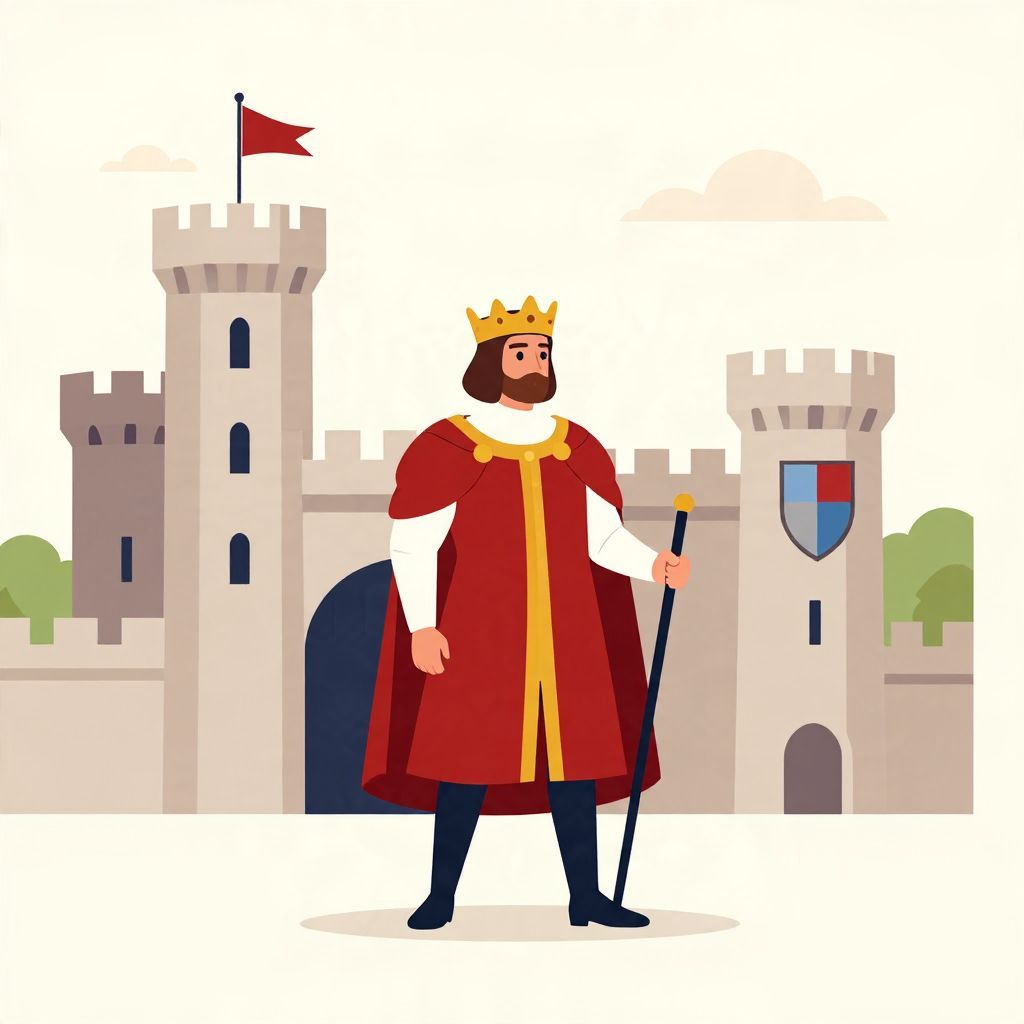
What is a marquess? In the simplest terms, a marquess is a noble rank in the European aristocratic hierarchy, traditionally placed below a duke and above an earl or count. The title developed in medieval feudal society, where rank often reflected military, territorial, and political responsibilities rather than only ceremonial prestige.
Although the title survives today mainly as a hereditary honor in some monarchies, its origins lie in frontier defense and the organization of land-based power. Understanding a marquess means understanding how medieval rulers managed borders, rewarded loyalty, and built systems of nobility that shaped European history for centuries.
What Is a Marquess?
A marquess is a noble title used in several European peerage systems, especially in Britain. Historically, it ranked below a duke and above an earl in the British hierarchy, and below a duke and above a count in many continental systems. The title originally referred to a lord charged with governing a border region, or “march,” where defense mattered more than in the kingdom’s interior.
The Origins of the Title
From “marches” to marquesses
The word marquess comes from the same root as march, meaning a borderland or frontier zone. In medieval Europe, marches were strategically important regions exposed to attack from neighboring powers, rival nobles, or raiders. A ruler placed a trusted noble there to defend the territory and maintain order. Over time, the office associated with such a region became a hereditary title of rank.
Medieval frontier politics
The title emerged from a practical need. Early medieval kingdoms were often fragile, with limited central administration and constant military pressure. Frontier lords needed more authority than ordinary counts or local nobles because they had to respond quickly to threats. In that setting, the marquess became a symbol of both border defense and elevated status within the nobility.
How the Rank Developed in Europe
Different European regions used related titles in slightly different ways. In France, the term marquis became common; in England, marquess is the standard spelling. In the Holy Roman Empire and other continental states, frontier lords could hold comparable ranks, though local customs varied widely. The title’s meaning shifted from a functional military office to a hereditary aristocratic dignity.
England and the British peerage
In England, the title of marquess was introduced later than some other noble ranks. It was first created in the late 14th century, when the crown began formalizing the peerage more systematically. By the early modern period, the title had become part of the established aristocratic order, passed down through families and associated with status, land, and political influence.
France and the marquis
In France, the title marquis followed a similar path. It originally pointed to a lord of a march, but by the later Middle Ages and early modern era it often signaled social prestige more than actual frontier command. Like many noble titles, it became increasingly ceremonial as monarchies centralized power and reduced the independent military role of local nobles.
Where Does a Marquess Rank in the Nobility?
The exact ranking depends on the country, but in the British peerage the order traditionally runs: duke, marquess, earl, viscount, and baron. This ranking mattered in matters of precedence, ceremonial seating, formal address, and inheritance. A marquess was therefore highly ranked, but not at the very top of the aristocratic ladder.
- Duke — usually the highest rank below the monarch
- Marquess — second-highest major peerage rank
- Earl — equivalent in status to a continental count
- Viscount — a lower peerage rank
- Baron — the lowest rank in the British peerage
Because the marquessate sat near the top of the hierarchy, it was often granted to families already close to royal power. In many cases, the title was a reward for political service, military loyalty, or long-standing influence at court.
Why the Title Mattered Historically
Defense and administration
The earliest marquesses were valuable because they helped protect vulnerable frontiers. Border regions were difficult to govern: they were often sparsely settled, militarized, and exposed to attack. A marquess could raise troops, manage fortifications, and act with more autonomy than a lesser noble. In practice, this made the title both military and administrative.
Rewarding loyalty
As monarchies strengthened, the title became a way to reward loyalty without necessarily giving away sovereign power. Kings and queens could elevate a noble family while still keeping ultimate authority. A marquessate could thus serve as a political tool, binding elite families to the crown and reinforcing the social order.
Prestige and inheritance
Over time, the title became hereditary in most places where it survived. This meant that a marquessate could endure for generations, attached to a family name and estate. Even when its original military function faded, the title retained prestige because it signaled long-standing social rank and historical connection to the ruling order.
How a Marquess Differs from Other Titles
People often confuse a marquess with a marquis, marquisate, or even a duke. The distinctions are mostly about rank and language. A marquess is the person holding the title; a marquessate is the dignity or territory associated with it. In France, the equivalent title is usually marquis, while in Britain the preferred form is marquess.
Marquess vs. duke
A duke outranks a marquess. Historically, dukes could hold greater territorial power or enjoy higher ceremonial precedence. In many monarchies, a duke was closer to the royal family or had a more prominent political role. A marquess remained highly distinguished, but one step lower in rank.
Marquess vs. earl or count
An earl in Britain, or a count on the continent, ranked below a marquess. The difference mattered in formal precedence and sometimes in the prestige of the family’s estates and titles. Yet in practical terms, many earls and marquesses could be equally influential, depending on wealth, landholding, and access to the monarch.
Marquesses in the Modern World
Today, a marquess is usually a hereditary title rather than a governing office. In constitutional monarchies such as the United Kingdom, the title has no direct political power by itself. It remains part of the peerage tradition, associated with family history, social identity, and ceremonial precedence rather than feudal command.
Titles without territorial rule
Modern marquesses generally do not rule marches or frontier districts. The original reason for the title has largely disappeared because modern states have centralized administration, standing armies, and fixed borders. What remains is the historical legacy: a title that once reflected the urgent military needs of medieval borderlands.
Courtesy titles and family usage
In some aristocratic families, the heir to a dukedom may use one of the family’s subsidiary titles as a courtesy title, which can include a marquessate. This can make the title appear in modern society even when it no longer carries any governing function. The system is ceremonial, but it preserves older layers of rank.
Key Facts About a Marquess
- The title originated in medieval Europe, especially in frontier regions.
- It was linked to the defense of a “march,” or borderland.
- In Britain, it ranks below a duke and above an earl.
- In France, the comparable title is marquis.
- Its original military role faded as states centralized power.
- Today it is mainly a hereditary honor in monarchies that retain peerage traditions.
Why the Title Still Matters to Historians
The marquess is more than an old-fashioned noble rank. It reveals how medieval rulers organized power, rewarded service, and defended vulnerable borders. It also shows how practical offices could transform into hereditary honors as political systems changed. In that sense, the title is a small but useful window into the broader history of aristocracy and state formation.
So, what is a marquess? It is a high noble title born from frontier warfare and medieval governance, later preserved as a mark of rank and tradition. If you want to explore how aristocratic power fit into wider systems of rule, you may also find it useful to read about what a duchy is and what a royal colony is.