
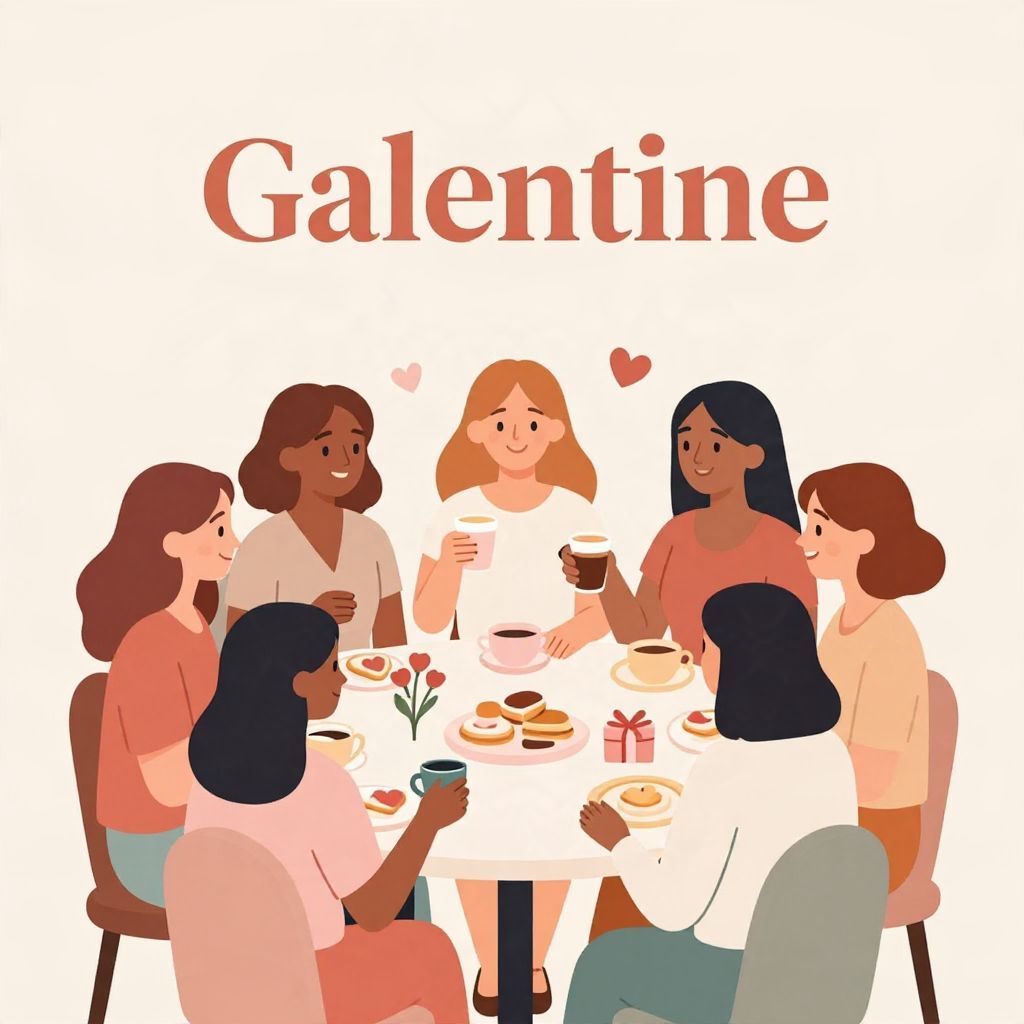
What is a Galentine? The word is a modern cultural term, not an ancient tradition or formal holiday. It usually means a friendship-focused celebration among women, especially on or around February 13, the day before Valentine’s Day. The idea became widely known through American popular culture in the 2010s.
Although it is now used broadly, “Galentine” began as a playful, fictional expression before becoming part of everyday language. Its history shows how television, social media, and consumer culture can turn a joke into a widely recognized social custom.
What Is a Galentine?
A Galentine is a friend, usually a woman, celebrated on Galentine’s Day, a gathering that honors female friendship rather than romance. The term entered popular culture through the American television comedy Parks and Recreation in 2010 and quickly spread as a lighthearted alternative to Valentine’s Day.
Where Did the Term “Galentine” Come From?
The word “Galentine” is generally traced to a 2010 episode of Parks and Recreation. In the show, the character Leslie Knope, played by Amy Poehler, invents “Galentine’s Day” as a celebration of her female friends. The term combines “gal,” a casual word for woman, with “Valentine,” signaling a friendship-centered twist on the romantic holiday.
A television origin, not an old custom
Unlike many holiday traditions that grow slowly over centuries, Galentine’s Day has a clear modern origin in scripted comedy. There is no evidence that it began as a historical festival, religious observance, or long-standing folk custom. Instead, it emerged from pop culture and then moved into real-world use.
How Did Galentine’s Day Become Popular?
The rise of Galentine’s Day reflects the influence of television, online sharing, and consumer marketing in the 21st century. After the phrase appeared on Parks and Recreation, viewers repeated it, media outlets explained it, and businesses adopted it for cards, meals, gifts, and events. By the mid-2010s, it had become a familiar seasonal expression in the United States and beyond.
Why the idea spread so quickly
- It was easy to understand: a simple celebration of friendship.
- It fit a familiar date: February 13, immediately before Valentine’s Day.
- It filled a social need: many people wanted a way to mark friendship during a holiday season often centered on couples.
- It was highly shareable: the phrase worked well in social media posts, greeting cards, and themed events.
What Does a Galentine Celebrate?
At its core, a Galentine celebrates platonic friendship, especially among women. It is not meant to replace Valentine’s Day, though it often serves as an alternative for people who are single, uninterested in romance-centered traditions, or simply eager to celebrate their friends. The emphasis is on companionship, appreciation, and social connection.
Common ways people observe it
- Brunches or dinners with friends
- Gift exchanges or handwritten notes
- Movie nights, spa days, or group outings
- Social media posts thanking friends
- Charitable or community gatherings
Is Galentine’s Day an Official Holiday?
No. Galentine’s Day is not an official public holiday in the United States or elsewhere. It is a cultural observance, meaning its importance comes from social practice rather than government recognition. That status is part of what makes it flexible: people can adapt it to their own friendships, communities, and schedules.
Informal traditions versus formal holidays
Formal holidays usually have legal recognition, fixed calendars, or religious significance. Galentine’s Day has none of these. Its meaning comes from repeated use, not from state authority or long historical ritual. In that sense, it is closer to a modern social custom than to a traditional holiday.
The Historical Background: Why a Friendship Holiday Made Sense
Galentine’s Day appeared in a period when many people were already rethinking Valentine’s Day. For much of the 20th century, Valentine’s Day in the United States became increasingly commercialized, with cards, candy, flowers, and restaurant promotions encouraging romantic spending. That focus sometimes left single people, close friends, and nontraditional households feeling excluded.
The cultural setting of the early 21st century
By the 2000s and 2010s, public conversations about friendship, self-care, and chosen family were becoming more visible. Galentine’s Day fit that moment well. It offered a playful way to recognize that friendship can be as meaningful as romance, and sometimes more stable over time.
Who Is Leslie Knope, and Why Does She Matter?
Leslie Knope, a fictional character from Parks and Recreation, is central to the history of Galentine’s Day. In the show, she enthusiastically celebrates her female friends with a breakfast gathering and heartfelt praise. Her exaggerated optimism helped make the phrase memorable, and her character became closely associated with the holiday’s spirit.
Fiction shaping real life
This is a good example of how television can influence everyday culture. A fictional scene introduced a term that viewers found useful and charming. Once repeated outside the show, it stopped being only a joke and became a real social practice. That transition is common in modern media history, where entertainment often helps define language and behavior.
What Is the Difference Between a Galentine and a Valentine?
The difference is simple: a Valentine is traditionally a romantic partner or someone who receives a Valentine’s card or gift, while a Galentine is a friend celebrated in a friendship-centered way. The two terms are linked by timing and wordplay, but they represent different social values.
Side-by-side comparison
- Valentine’s Day: usually focused on romantic love, though it can also include family and friends.
- Galentine’s Day: focused on friendship, especially among women.
- Date: Galentine’s Day is commonly observed on February 13.
- Origin: Valentine’s Day has older historical roots; Galentine’s Day is a modern invention.
Did the Word “Galentine” Exist Before 2010?
There is no strong evidence that “Galentine” was a common term before Parks and Recreation. The show is widely credited with popularizing it, and most discussions of the word treat the 2010 episode as its point of origin. That said, language often develops in messy ways, so isolated uses may have existed before the phrase became famous. The historical record, however, points clearly to the television show as the source of its popularity.
Why Do People Find Galentine’s Day Meaningful?
Galentine’s Day resonates because it recognizes a real social need: the desire to celebrate important friendships in a culture that often prioritizes romance. For many people, friendships provide emotional support, continuity, and identity across different stages of life. A holiday built around that idea feels both modern and personal.
Social significance
Historically, many societies have had rituals for kinship, marriage, and religious observance, but fewer formal celebrations for adult friendship. Galentine’s Day helps fill that gap. Even though it is recent, it reflects a long-standing human truth: people build community through bonds that are not romantic but still deeply important.
How Has Galentine’s Day Changed Over Time?
Since the 2010s, Galentine’s Day has expanded beyond its original context. Some people use it strictly for women’s friendships, while others apply it more broadly to close friends of any gender. Businesses have also embraced it, sometimes turning a casual celebration into a marketing opportunity. That commercial use has helped spread the term, but it has also softened its original playful tone.
From joke to mainstream custom
- 2010: the phrase appears in Parks and Recreation.
- Early 2010s: fans begin repeating it online and offline.
- Mid-2010s: media coverage and brands popularize it further.
- Today: it is widely recognized as a friendship-focused February observance.
Key Facts About What a Galentine Is
- A Galentine is a friend celebrated on Galentine’s Day.
- The term is modern and became famous through Parks and Recreation in 2010.
- Galentine’s Day is usually observed on February 13.
- It emphasizes friendship, especially among women, rather than romance.
- It is a cultural custom, not an official holiday.
- Its popularity grew through television, social media, and consumer culture.
Why the Term Still Matters
“Galentine” matters because it shows how quickly modern language can create new traditions. What began as a fictional joke became a real way for people to express gratitude and affection for friends. In that sense, Galentine’s Day is a small but revealing example of contemporary cultural history: a modern holiday built from media, humor, and the desire for community.
So, what is a Galentine? It is a modern celebration of friendship, especially among women, made famous in 2010 and now widely observed on February 13. If you are interested in how popular culture shapes everyday traditions, Galentine’s Day is a useful reminder that history is still being made in the present.