
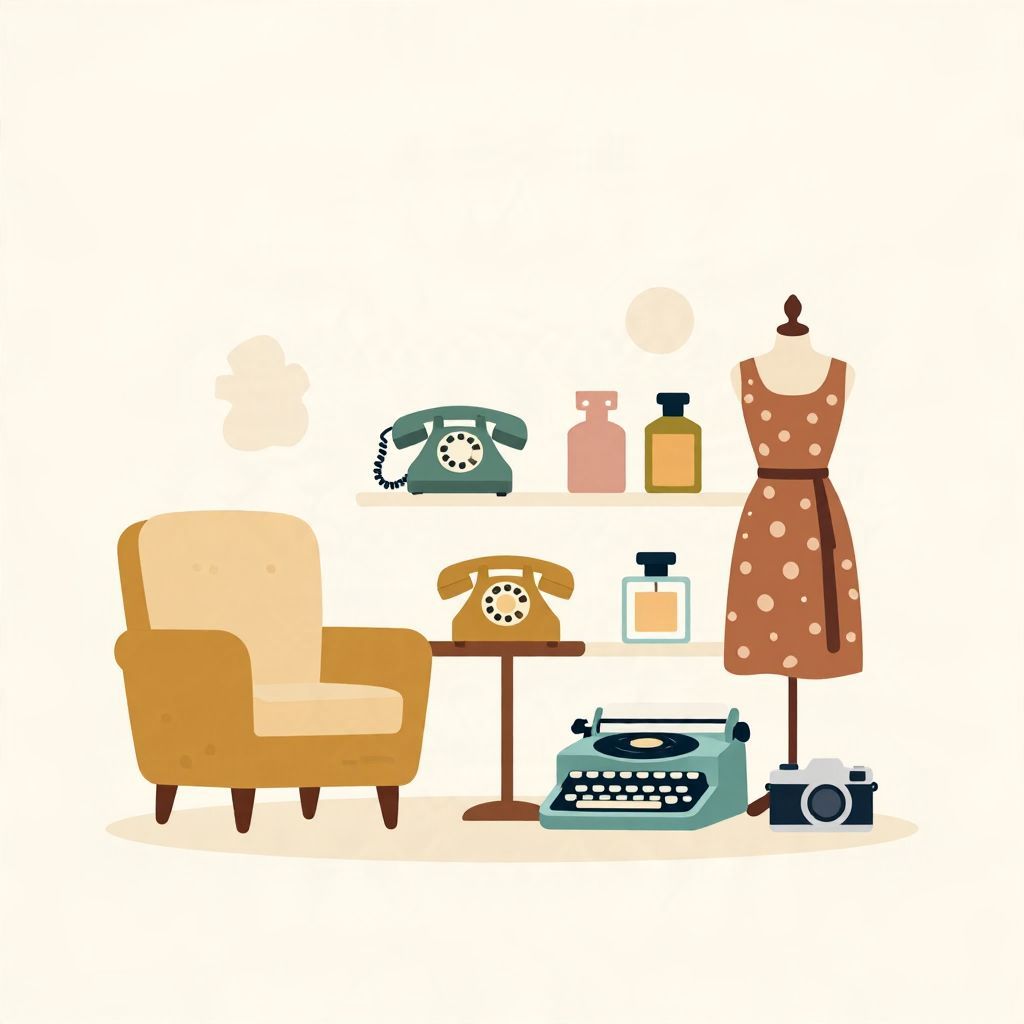
What makes something vintage? The word is used for clothing, furniture, cars, wine, and even design styles, but its meaning is often blurred with “antique” and “retro.” Historically, vintage began as a term tied to wine and a specific year’s harvest, then widened in the 20th century to describe objects from an earlier era.
Today, “vintage” usually means something old enough to feel historically rooted, but not necessarily old enough to be an antique. The exact cutoff depends on the item, the market, and the culture using the word.
What makes something vintage?
Something is usually called vintage when it comes from a clearly earlier period and still represents the style, workmanship, or character of that time. In common usage, vintage often means roughly 20 to 99 years old, though the boundary is informal and varies by object type and collector culture.
Where the word “vintage” came from
The history of the word helps explain why it means what it does today. “Vintage” originally referred to the grape harvest or the wine produced from a particular year’s crop. That older meaning still survives in wine language, where a vintage can be a specific year associated with production and quality.
From wine to wider culture
Over time, English speakers began using “vintage” more broadly to describe things that were characteristic of a particular era. By the 19th and especially the 20th century, the word started appearing in fashion, design, and collecting. It suggested age, authenticity, and a recognizable style from the past rather than simply “old.”
Vintage, antique, and retro: what is the difference?
These terms are often mixed up, but they are not the same. Antique usually means at least 100 years old. Vintage generally means older, but not that old—often from a previous generation. Retro usually describes something modern made to imitate an older style.
A simple comparison
- Antique: genuinely old, often 100+ years
- Vintage: from an earlier era, commonly 20–99 years old
- Retro: new, but designed to look old-fashioned
These are not fixed legal categories in everyday speech. A 1970s jacket may be vintage, while a 1920s cabinet is more likely to be called an antique. A brand-new dress inspired by the 1950s is retro, not vintage, even if it copies an older look very closely.
Why age alone does not make something vintage
Age matters, but it is not the only factor. An item is usually considered vintage because it is old and still clearly linked to the era in which it was made. A mass-produced object from the 1980s may be vintage if it reflects the design, materials, and cultural tastes of that decade.
Common features that signal vintage status
- Period style: recognizable design from a past decade or era
- Original materials: fabrics, finishes, or manufacturing methods typical of the time
- Evidence of age: wear consistent with long use, not recent imitation
- Historical context: association with a known period, trend, or technology
- Collectibility: interest from buyers, museums, or enthusiasts
In other words, vintage is partly a historical category and partly a cultural judgment. A thing becomes vintage when people recognize it as representative of a past moment worth preserving or collecting.
How the idea of vintage changed in the 20th century
The modern sense of vintage grew as consumer culture expanded. As new fashions and technologies appeared more quickly, older objects began to stand out as markers of previous decades. By the mid-20th century, people were not only keeping older items for practical use; they were also valuing them for style, nostalgia, and authenticity.
Fashion and collecting shaped the term
Clothing played a major role in popularizing “vintage.” Garments from earlier decades became desirable because they offered distinctive cuts, fabrics, and craftsmanship that differed from contemporary mass production. Collectors, dealers, and style writers helped turn “vintage” into a label for items that were old enough to be interesting but still wearable or usable.
The same pattern appeared in furniture, records, posters, cameras, and cars. Objects that once seemed merely outdated began to be appreciated as evidence of a specific historical moment.
What makes something vintage in different categories?
The definition of vintage shifts depending on the object. A dress, a car, and a wine bottle do not follow exactly the same rules, because each field has its own traditions and market expectations.
Vintage clothing
In clothing, vintage usually means a garment made in a previous era, often at least 20 years old. Collectors often look for labels, stitching, fabrics, and silhouettes that match a known decade. A dress from the 1960s, for example, may be vintage because it reflects the fashion of that period and was actually made then.
Vintage furniture and home goods
Furniture is often called vintage when it is old enough to show the design language of a particular decade or movement, such as mid-century modern. Here, condition matters: original finishes, hardware, and construction methods can strengthen a piece’s vintage value.
Vintage cars
In the car world, “vintage” can be more narrowly defined than in fashion. Some enthusiasts use it for vehicles from a specific era, often the early decades of automobile history. Others use it more loosely for older classic cars. Because of this, a car may be vintage in one club or market and simply “classic” in another.
Vintage wine
Wine preserves the older, original meaning of the word. A vintage wine is associated with a particular harvest year. In this context, the term does not just mean “old”; it identifies the year grapes were picked and the wine made, which can affect flavor, quality, and value.
Why people value vintage objects
Vintage items appeal for several historical reasons. They can preserve craftsmanship from before mass production became dominant, or they can represent styles that later generations rediscover. They also carry the emotional power of nostalgia, linking people to childhood, family memory, or a remembered cultural era.
Historical and cultural significance
Vintage objects often survive because they were made well, used carefully, or preserved by collectors. Once they outlast their original practical purpose, they can become historical evidence. A vintage radio, for example, tells us about domestic life, technology, and design in its time. A vintage coat can reveal fabric choices, social norms, and manufacturing methods.
That is why museums, historians, and preservationists sometimes care about ordinary objects as much as famous ones. Everyday things can show how people lived, dressed, traveled, and decorated their homes.
Is vintage the same as valuable?
No. Vintage does not automatically mean expensive. Some vintage items are highly prized because they are rare, well made, or linked to a famous designer or event. Others are common and affordable. Value depends on condition, demand, originality, and how well the item represents its period.
What affects value
- Rarity: fewer surviving examples usually raise interest
- Condition: original, well-preserved items often matter more
- Authenticity: genuine period pieces are usually preferred
- Provenance: a known history can increase significance
- Style demand: some decades become fashionable again
This is why a plain vintage chair may be modestly priced, while a rare designer piece from the same decade can be worth far more. The word vintage describes age and era; it does not guarantee market value.
How historians and collectors judge authenticity
Determining whether something is truly vintage often requires close observation. Experts may look at labels, materials, construction techniques, wear patterns, and manufacturing details. For example, a zipper style, a logo design, or a type of stitching can help date a garment. In furniture, joinery and hardware can reveal whether a piece is genuinely old or a later reproduction.
Why reproductions complicate the picture
Many modern items are made to look vintage. Some are honest reproductions, while others are sold in ways that blur the line. This is why “looks vintage” is not the same as “is vintage.” Historical authenticity depends on when and how the object was made, not just on appearance.
Why the word still matters today
“Vintage” remains popular because it offers a useful middle ground between old and antique. It suggests age, style, and cultural memory without implying extreme rarity or museum-level antiquity. In a world of fast-changing trends, vintage objects can feel more durable, distinctive, and connected to history.
At the same time, the term is flexible and sometimes overused. Sellers may apply it loosely to attract buyers, so it helps to ask what decade an item actually comes from and whether it is original or merely styled to look old.
The historical takeaway
Something becomes vintage not simply because it is old, but because it belongs recognizably to an earlier era and still carries the style, material culture, or memory of that time. The term began with wine, expanded through modern collecting and fashion, and now helps people describe objects that are historically old enough to matter but not yet antiques. For related historical context, see what is cultural preservation in architecture and what is Victorian disease.