
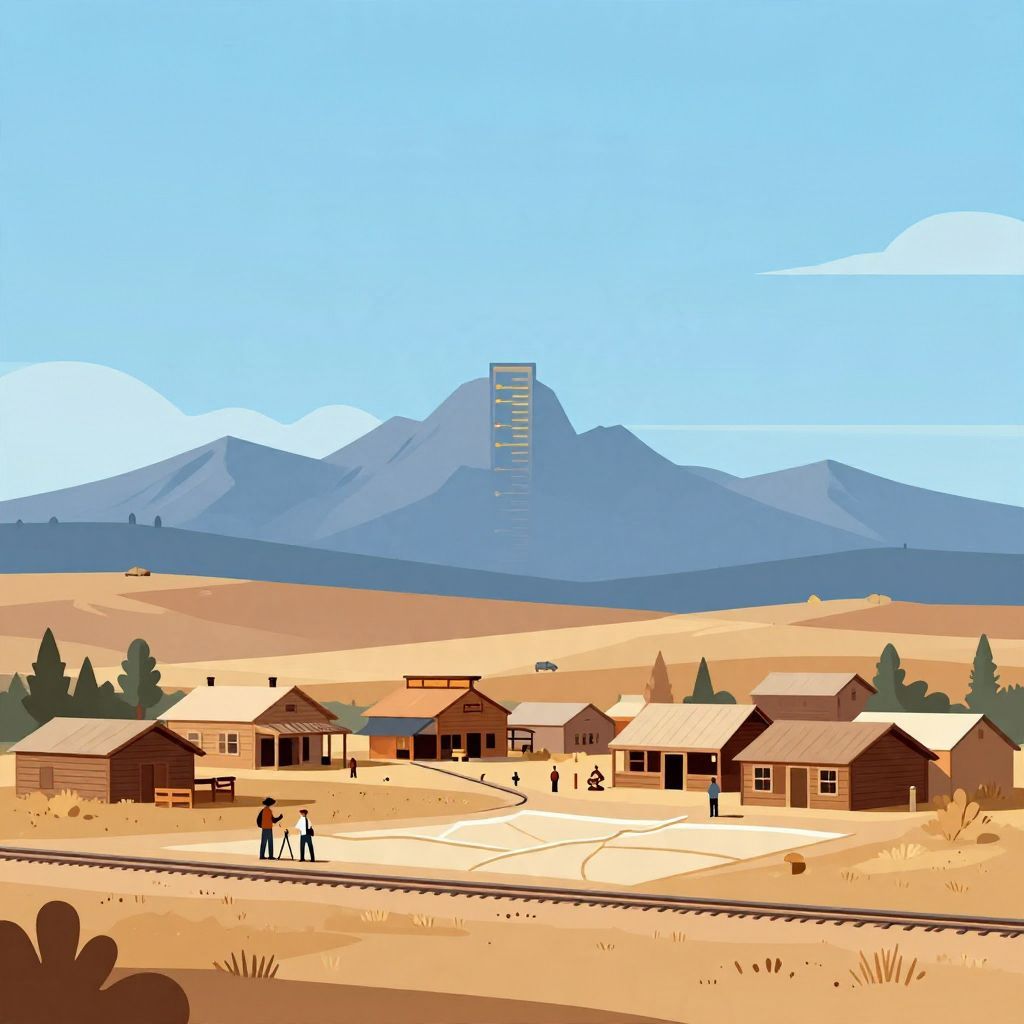
Why is Denver called the Mile High City? The short answer is that Denver sits at about 5,280 feet above sea level—exactly one mile. That elevation became part of the city’s identity in the late 19th century and was later reinforced by civic pride, tourism, and local tradition.
The nickname is both geographic and historical: it reflects Denver’s high plains setting near the Rocky Mountains and the way residents turned elevation into a symbol of place. Over time, “Mile High City” became one of the most recognizable urban nicknames in the United States.
Why Is Denver Called The Mile High City?
Denver is called the Mile High City because its elevation is roughly 5,280 feet, or one mile above sea level. The nickname emerged from the city’s exact altitude and became popular as Denver grew from a frontier settlement into Colorado’s largest city and a regional center of commerce, politics, and tourism.
The Geography Behind the Nickname
Denver’s elevation is the most direct reason for the name. The city lies on the High Plains, east of the Rocky Mountains, where the land rises sharply above much of the United States. At the central part of downtown, the elevation is close to one mile, though different points in the city are slightly higher or lower.
Why 5,280 feet matters
One mile equals 5,280 feet, so the phrase “Mile High City” is not just a poetic label. It is a factual description of Denver’s altitude. That number became especially meaningful because it was easy to remember and gave the city a distinctive identity that set it apart from lower-lying American cities.
Not every part of Denver is exactly one mile high
Like any city spread across varied terrain, Denver does not sit at a perfectly uniform elevation. Some neighborhoods are above 5,280 feet, while others are below it. The nickname refers to the city as a whole and especially to the historic downtown area, where the elevation became a civic marker.
How the Nickname Became Part of Denver’s Identity
Denver did not begin life as a city with a polished brand. It started as a gold-rush settlement in the late 1850s, then grew rapidly as a supply center, railroad hub, and territorial capital. As the city matured, its altitude became a useful and memorable way to describe it, and residents embraced the phrase as a badge of distinction.
From mining camp to city
Denver was founded in 1858 during the Pike’s Peak gold rush, when prospectors and entrepreneurs rushed into the region. The settlement was named after James W. Denver, a Kansas territorial governor, though he had little direct connection to the town itself. In the following decades, Denver developed into the leading city of the Colorado region.
By the time Colorado became a state in 1876, Denver was already emerging as its economic and political center. The city’s high elevation, once merely a geographic fact, became part of how people described the place and imagined life there.
Why nicknames matter in city history
Urban nicknames often grow out of practical details, then take on cultural meaning. In Denver’s case, the altitude was useful for identity because it was measurable, memorable, and unusual. “Mile High City” suggested both physical height and a kind of western independence that fit the image of a growing mountain city.
The Historical Context: Denver’s Growth in the Late 19th Century
Denver’s nickname makes more sense when placed in the broader history of the American West. The city developed during a period of migration, mining booms, railroad expansion, and territorial change. Its elevation was not the reason it existed, but it helped shape how the city was understood once it began to prosper.
Gold rush origins
The discovery of gold in the Rocky Mountain region drew thousands of people westward. Denver began as a service settlement for miners, traders, and travelers. Its location on the plains near mountain passes made it a practical base, while its elevation gave it a dry, clear climate that many newcomers found appealing.
Railroads and regional importance
Railroads transformed Denver from a frontier town into a connected urban center. As transportation networks expanded in the late 19th century, Denver became a distribution point for goods and people moving through the Mountain West. The city’s identity was no longer only local; it was increasingly regional and national.
Statehood and civic pride
After Colorado achieved statehood in 1876, Denver’s leaders and residents had strong incentives to promote the city as modern, distinctive, and important. The “Mile High City” label fit that purpose perfectly. It was factual, easy to market, and tied to a feature no competing city could claim in quite the same way.
Was the Nickname Always Official?
No. “Mile High City” began as a popular description rather than a formal legal title. Over time, though, it became so widely used that it functioned almost like an official brand. Today it appears in tourism, sports, journalism, and everyday conversation, but it remains a nickname rather than a government designation.
The role of civic branding
In the 20th century, cities increasingly used slogans and symbols to attract visitors, businesses, and residents. Denver’s elevation made branding easy. The city could point to a simple fact and turn it into an identity: high altitude, mountain views, outdoor recreation, and western character.
The famous step at the state capitol
One of the best-known symbols of the nickname is the step on the west side of the Colorado State Capitol in Denver, marked as exactly one mile above sea level. This marker has become a popular photo spot and a visual reminder of the city’s claim. It reflects the desire to turn a geographic fact into a public landmark.
Myths and Common Misunderstandings
Because the nickname is so famous, it has attracted exaggeration and confusion. Some people assume the entire city sits precisely at one mile, but that is not true. Others think the nickname is purely promotional, when in fact it is rooted in accurate geography. The truth lies between the two: the phrase is both factual and culturally useful.
Is Denver the highest city in America?
No. Denver is high, but it is not the highest city in the United States or even in Colorado. Several towns and cities in Colorado sit at much higher elevations. Denver’s significance comes from being a major American city at a mile-high elevation, not from being the absolute highest settlement.
Does altitude affect daily life?
Yes, and that has helped the nickname endure. Visitors often notice thinner air, stronger sunlight, and differences in exercise tolerance. These experiences reinforce the reality behind the phrase. The nickname is catchy, but it also points to a real environmental condition that shapes life in the city.
Why the Nickname Endured
Denver’s nickname lasted because it is simple, accurate, and memorable. Many city nicknames fade, but “Mile High City” survived because it connects geography with identity. It tells people something true about the place while also suggesting pride, elevation, and a sense of western distinctiveness.
Tourism and sports helped spread it
As Denver grew in the 20th century, the nickname spread through newspapers, advertising, professional sports, and travel culture. It became especially visible in stadiums, civic campaigns, and merchandise. The phrase now functions as both a geographic description and a shorthand for Denver itself.
A nickname with historical depth
What makes the phrase enduring is that it is rooted in the city’s past. Denver’s founders did not invent the nickname at the moment of settlement, but the city’s later growth gave it meaning. The phrase captures the relationship between landscape and urban development in the American West.
Conclusion: A Name Built on Geography and History
Denver is called the Mile High City because its elevation is about 5,280 feet above sea level, and that fact became central to the city’s identity as it grew from a gold-rush settlement into a major western metropolis. The nickname is more than a slogan: it reflects Denver’s geography, its history of expansion, and the pride residents took in living at the edge of the Rockies. For related history reading, consider exploring the history of Colorado statehood and the American West during the gold rush era.