
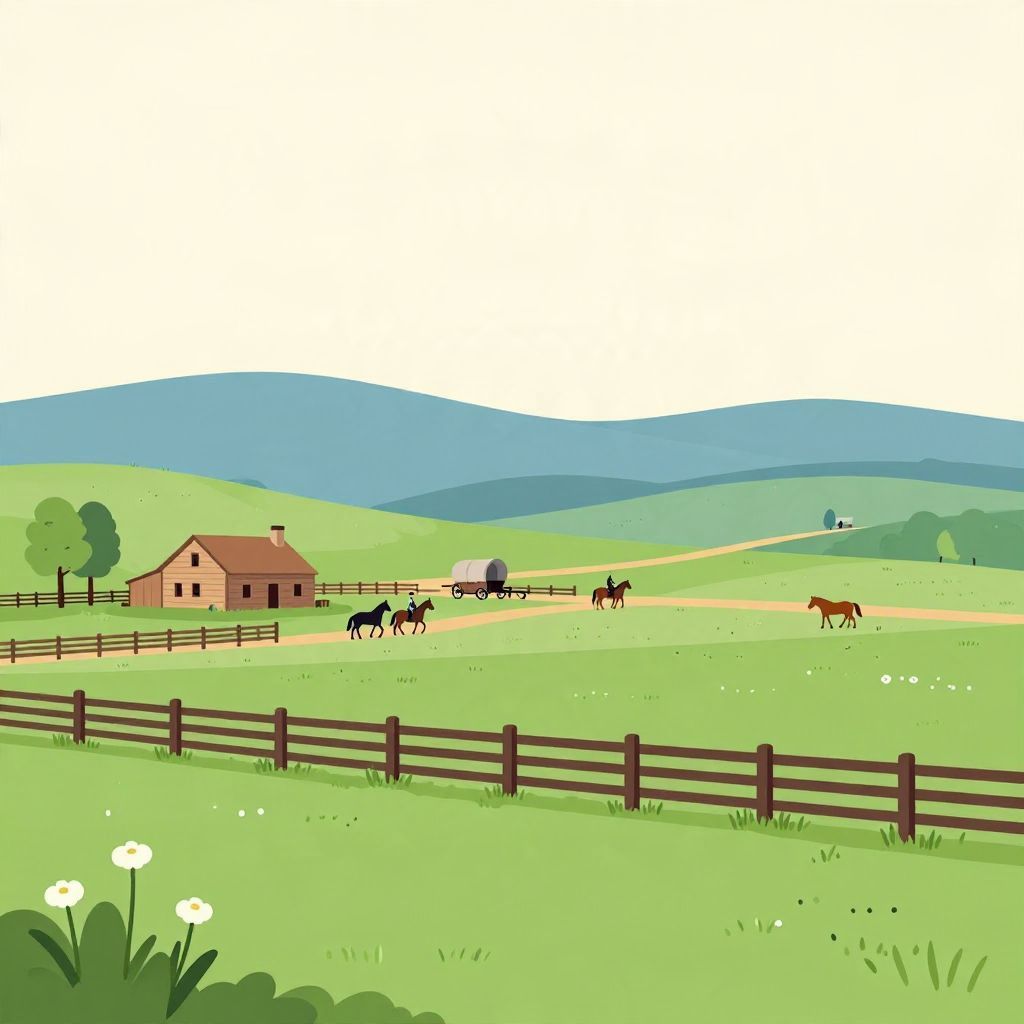
Why is Kentucky called the Bluegrass State? The short answer is that the nickname comes from the blue-purple flower heads that appear to tint Kentucky pastures blue in spring, especially in the rich limestone region of the central part of the state. The name reflects both the landscape and the agricultural history that made the region famous for horses and grazing.
The phrase is older than many people realize, but it was not an official state name at first. It grew from local observation, then became a widely accepted nickname as Kentucky’s horse culture and pastoral image spread in the 19th century.
Why Is Kentucky Called The Bluegrass State?
Kentucky is called the Bluegrass State because a native grass, commonly known as bluegrass, grows abundantly in parts of the state and gives fields a bluish cast in the spring. The name became associated with Kentucky’s central limestone region, where fertile soil and grassland helped support livestock, especially horses, making the nickname both botanical and cultural.
What “Bluegrass” Actually Means
Despite the name, bluegrass is not truly blue. It refers to grasses in the Poa family, especially Kentucky bluegrass, whose seed heads can look bluish or purplish from a distance. When the grass blooms, large fields may appear to shimmer with a blue tone, especially in sunlight.
The effect is most noticeable in the central part of Kentucky, where limestone-rich soil supports healthy pasture growth. That geology matters: limestone contributes minerals that help create the fertile land long associated with horse breeding and grazing. So the nickname is not just poetic; it is rooted in the state’s physical environment.
The grass and the land
- Bluegrass is a common pasture grass, not a rare plant.
- Limestone soil helped make central Kentucky especially suitable for grazing.
- Spring flowering gives fields a bluish appearance that inspired the name.
The Historical Origins of the Nickname
The nickname developed gradually rather than being invented on a single date. By the early 19th century, travelers and residents were already using “bluegrass” to describe Kentucky’s famous pastures. Over time, the term became tied to the central region around Lexington and the surrounding horse country, where the grass and the landscape were especially distinctive.
There is no single documented moment when Kentucky was officially christened the Bluegrass State. Instead, the name emerged from common usage. That is typical of many state nicknames: they begin as local descriptions and only later become part of a broader public identity.
From local description to state identity
- Residents noticed the bluish look of spring pastures.
- Travelers and writers repeated the description.
- The term became linked to Kentucky’s fertile central region.
- Horse breeding and grazing culture strengthened the nickname.
- “Bluegrass State” eventually became a widely recognized identity for Kentucky.
Why Kentucky, in Particular?
Many places grow bluegrass, but Kentucky became famous for it because the plant thrived in a landscape that was already economically important. The state’s central region had rich soil, rolling hills, and abundant pastureland. Those conditions made it ideal for raising livestock, especially horses, which became one of Kentucky’s best-known industries.
The nickname therefore reflects more than vegetation. It points to a whole agricultural landscape. Kentucky’s reputation for horse breeding, racing, and fine pasture land helped the phrase “Bluegrass State” take on a broader meaning: not just a place with blue-looking grass, but a place defined by grassland agriculture and equine culture.
Bluegrass and horse culture
Kentucky’s horse industry helped turn the nickname into a symbol of prestige. Good pastureland was valuable for breeding and raising strong horses, and the central region’s grasslands became closely associated with thoroughbreds and farms. As that reputation spread, “Bluegrass” came to suggest quality, rural beauty, and agricultural wealth.
Bluegrass as a Regional Name
In Kentucky, “Bluegrass” often refers specifically to the Bluegrass region, not the entire state. This region lies in north-central Kentucky and is centered around Lexington. It is one of several geographic regions in the state, but it became the most famous because of its fertile land and its role in horse breeding.
That regional meaning is important. The nickname “Bluegrass State” is broader than the Bluegrass region itself, but the region gave the state its identity. In other words, the state nickname grew out of a local geographic term that became nationally recognized.
Not all of Kentucky is Bluegrass
Kentucky includes mountains in the east, coal country, western riverlands, and other distinct landscapes. The Bluegrass region is only one part of the state. Still, because it was historically prominent and economically influential, it became the landscape most strongly associated with Kentucky as a whole.
Popular Legends and What We Can Say Carefully
As with many place names, folklore has grown around the Bluegrass nickname. Some stories make it sound as though the state was officially named for a single spectacular field or a single early observer. Those versions are too neat to be fully reliable. The historical record points instead to gradual usage among residents, farmers, and writers.
It is safer to say that the nickname came from common observation of the grass and the region, then gained strength because the landscape fit Kentucky’s emerging identity. That identity was agricultural first and cultural second, but the two reinforced each other over time.
What historians can support
- The name comes from the appearance of bluegrass in spring.
- The term became associated with central Kentucky’s fertile pastureland.
- The horse industry helped popularize the nickname.
- The nickname developed through usage, not a single official naming event.
How the Nickname Became Famous
During the 19th century, Kentucky’s image spread beyond the state through travel writing, commerce, and horse racing. As people learned about its fertile farms and prized horses, “Bluegrass” became shorthand for a refined rural landscape. The nickname was useful because it evoked both natural beauty and economic value.
By the time Kentucky’s identity was being discussed nationally, the Bluegrass label had become a memorable symbol. It suggested a place of green fields, strong livestock traditions, and a distinctive regional culture. That is why the nickname lasted: it was descriptive, attractive, and easy to remember.
Why the Name Still Matters Today
Today, “Bluegrass State” remains one of Kentucky’s most recognizable nicknames because it connects environment, history, and identity in a single phrase. It reminds people that state nicknames often come from everyday life: a plant, a landscape, a crop, or an industry that shaped how a place was seen.
In Kentucky’s case, the nickname also preserves a historical truth. The state’s central pasturelands were not just scenic; they were economically important and culturally influential. The bluegrass fields helped support the horse industry, and the horse industry helped make Kentucky famous.
Conclusion
Kentucky is called the Bluegrass State because bluegrass grows in its fertile limestone pastures, especially in the central region, where the grass’s spring flowers can make fields look blue. The nickname became lasting because it fit Kentucky’s landscape and its horse-breeding culture. It is a simple phrase with deep historical roots, and it remains one of the clearest examples of how geography shapes identity.