
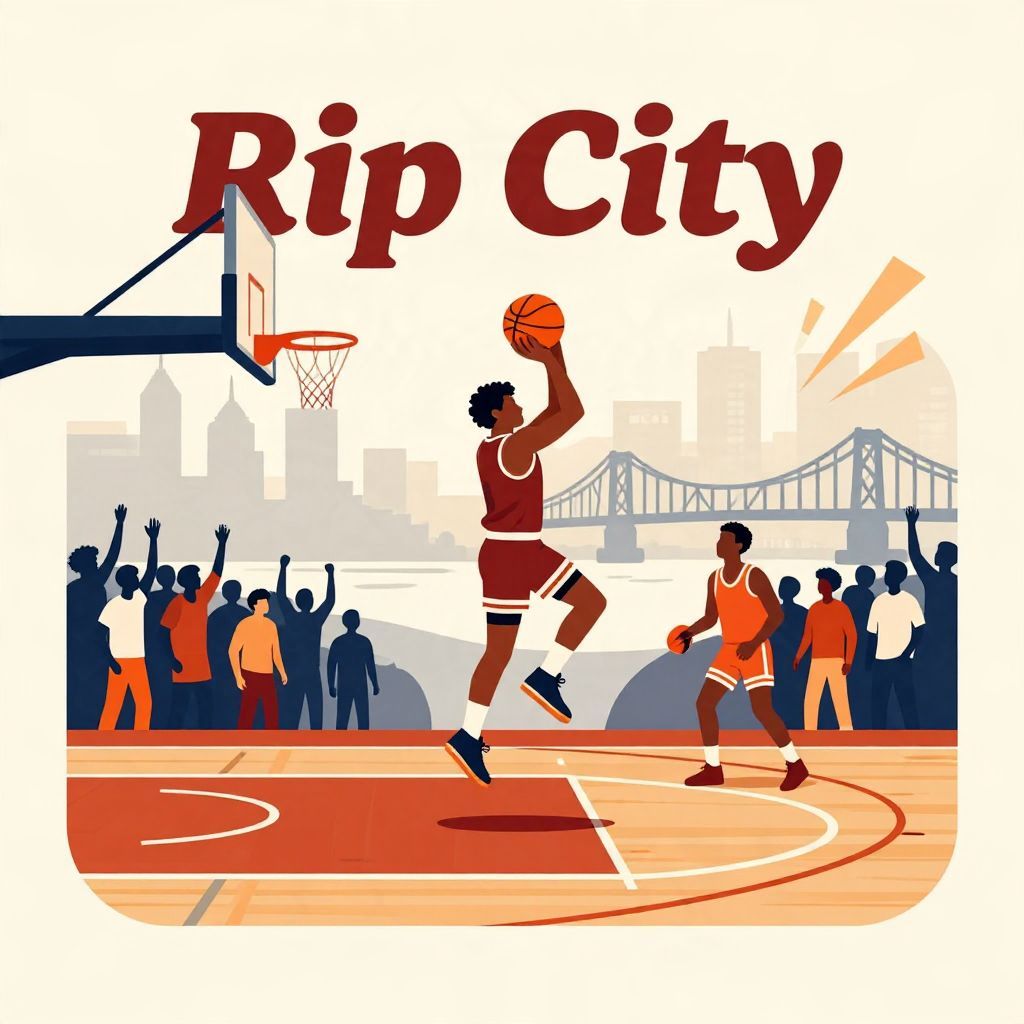
Why is Portland called Rip City? The short answer is that the nickname was born from a spontaneous basketball call during a Portland Trail Blazers game in 1971, then stuck because it captured the city’s energy, grit, and growing sports identity.
Over time, “Rip City” moved beyond one moment on the court and became a lasting symbol of Portland itself. Its history is part sports folklore, part civic branding, and part local pride.
Why Is Portland Called Rip City?
Portland is called Rip City because a Trail Blazers broadcaster, Bill Schonely, blurted out “Rip City!” during a game after a long-distance shot in 1971. The phrase was not a formal slogan or an old city nickname; it began as an improvised exclamation and later became Portland’s best-known sports identity.
The Origin of “Rip City”
The nickname traces to the early years of the NBA’s Portland Trail Blazers, who began play in 1970. In a 1971 game, Schonely reacted to a dramatic basket with the phrase “Rip City,” and listeners immediately latched onto it. The exact wording was not planned, which is part of why the story has endured so well.
Bill Schonely and the broadcast moment
Bill Schonely, the Trail Blazers’ original play-by-play announcer, is widely credited with popularizing the phrase. He was known for energetic, memorable calls, and “Rip City” fit the fast, emotional style of basketball broadcasting. In sports culture, a phrase that feels spontaneous often has more staying power than a carefully manufactured slogan.
There is no strong evidence that “Rip City” had a deep preexisting meaning in Portland before this moment. That matters, because many city nicknames are older than the events that made them famous. In this case, the nickname is modern, local, and tied directly to radio and television sports culture.
What did “Rip City” mean?
The phrase itself is somewhat open-ended. It was not originally a formal term with a dictionary definition. In context, it conveyed excitement, momentum, and a sense that something powerful had just happened. Fans later treated it as a symbol of the team’s style and of Portland’s toughness and enthusiasm.
Because the phrase began as an exclamation, its meaning grew through use. Over time, “Rip City” came to suggest a place where basketball mattered, where fans were loud and loyal, and where the city embraced a distinct identity through its team.
How the Nickname Became Part of Portland’s Identity
“Rip City” did not become iconic overnight. It spread because the Trail Blazers became a major source of civic pride, especially after the team’s rise in the 1970s. As the nickname appeared in broadcasts, newspapers, arenas, and fan conversation, it shifted from a one-time call into a shared cultural label.
The Trail Blazers and the 1970s
The Trail Blazers entered the NBA as an expansion team in 1970, giving Portland a new major-league identity. Their early success helped the nickname take root. When the team won the NBA championship in 1977, Portland’s basketball culture deepened, and “Rip City” became even more closely associated with the city’s sports pride.
That championship mattered historically because it gave Portland a national spotlight. A nickname tied to a winning team is more likely to survive, and “Rip City” benefited from the Blazers’ visibility during that era. The phrase became shorthand not just for a team, but for a city that saw itself reflected in the team’s toughness and resilience.
From arena chant to citywide label
As the years passed, “Rip City” escaped the broadcast booth. Fans used it on signs, T-shirts, and chants. The phrase eventually became a civic marker, especially among sports fans, though it is still most strongly linked to the Trail Blazers rather than to Portland’s entire history or geography.
This is an important distinction. Portland was not historically known as Rip City in the way some older cities have long-standing nicknames tied to trade, industry, or location. Instead, the nickname is a product of modern media and fan culture, and its spread reflects the growing influence of televised sports in the late 20th century.
Why the Nickname Stuck
Many sports catchphrases disappear quickly. “Rip City” lasted because it was catchy, flexible, and emotionally useful. It sounded energetic without being overly specific, which allowed fans to apply it to victories, comebacks, and moments of collective excitement. It also had a distinctive rhythm that made it easy to repeat.
It fit Portland’s image
Portland has often been associated with independence, local pride, and a slightly offbeat identity. “Rip City” fit that image well, even if it was not originally intended as a civic motto. The nickname sounded informal and a little rough around the edges, which matched the way many fans wanted to describe their city and team.
In that sense, the phrase succeeded because it felt authentic. It did not sound like a marketing invention. It sounded like something a real fan or announcer might say in the heat of the moment, and that authenticity helped it travel beyond basketball.
Sports culture in the late 20th century
The rise of “Rip City” also reflects broader changes in American sports culture. By the 1970s and 1980s, local radio voices, arena traditions, and televised highlights could create lasting symbols. A memorable phrase could become part of a city’s brand in ways that would have been much harder in earlier eras.
Portland’s nickname is a good example of how modern urban identity can be shaped not only by politics, industry, or migration, but also by entertainment and media. In this case, a basketball call helped define how outsiders and residents alike talked about the city.
Common Misunderstandings About “Rip City”
Because the nickname is so established, people sometimes assume it has a deeper or older origin than it does. The historical record does not support most of those assumptions. “Rip City” was not a colonial-era term, a railroad name, or an official municipal slogan from Portland’s early development.
It is not an ancient city nickname
Portland was founded in the mid-19th century, but “Rip City” is a much later creation. That makes it different from nicknames that grew out of geography or industry over generations. Its origin is modern and traceable to a specific sports context in the early 1970s.
It is not just about violence or destruction
Some people hear “rip” and assume the phrase must refer to something broken or torn apart. In practice, the nickname’s meaning in Portland has little to do with literal destruction. It is a celebratory expression, rooted in excitement and momentum rather than in any negative historical event.
That said, nicknames often evolve beyond their original intent. Even if the phrase began as a spontaneous call, fans later loaded it with broader meanings: resilience, intensity, and loyalty. Those associations are cultural, not literal.
Historical Context: Portland, the Blazers, and Local Identity
To understand why the nickname mattered, it helps to place it in Portland’s wider postwar history. As the city grew in the second half of the 20th century, sports became one way residents expressed shared identity. The Trail Blazers offered a common reference point in a city that was changing economically and demographically.
A city looking for symbols
Like many American cities in the 1970s, Portland was navigating urban change, suburban growth, and questions about what made it distinctive. The Trail Blazers gave residents a visible, emotional symbol around which to rally. “Rip City” became part of that symbolic language, especially for fans who wanted a phrase that felt local rather than generic.
Over time, the nickname helped reinforce the idea that Portland had its own voice. It was not simply borrowed from elsewhere. It emerged from a local broadcast, a local team, and a local fan base, which made it especially durable.
Why sports nicknames matter historically
Sports nicknames may seem trivial, but they can reveal a great deal about how communities build identity. They show how language spreads, how media shapes memory, and how people turn fleeting moments into lasting traditions. “Rip City” is a small example of a much larger historical pattern.
In that sense, the nickname is not just about basketball. It is about the way modern cities create symbols that feel personal and communal at the same time. Portland embraced “Rip City” because it sounded like something the city could own.
The Lasting Legacy of Rip City
Today, “Rip City” remains one of the most recognizable nicknames in American sports culture. It is still closely tied to the Trail Blazers, but it also appears in broader references to Portland life, from merchandise to fan speech. Its endurance shows how a single broadcast moment can become part of a city’s historical memory.
The nickname’s survival also reflects the power of repetition. Once fans, media outlets, and the team itself kept using it, “Rip City” became more than a call. It became a tradition. That is why it still resonates decades later, even for people who know only fragments of its origin story.
So Why Is Portland Called Rip City?
Portland is called Rip City because the phrase began as an excited basketball call by Bill Schonely during a Trail Blazers game in 1971 and then evolved into a lasting symbol of Portland pride. Its history is rooted in sports broadcasting, local fandom, and the city’s embrace of a nickname that felt energetic, authentic, and uniquely its own.
In historical terms, “Rip City” is a modern nickname with a clear origin and a long afterlife. It shows how a single moment in sports can become part of a city’s identity, and why Portland’s most famous nickname is best understood as a product of 20th-century culture rather than older urban history.