
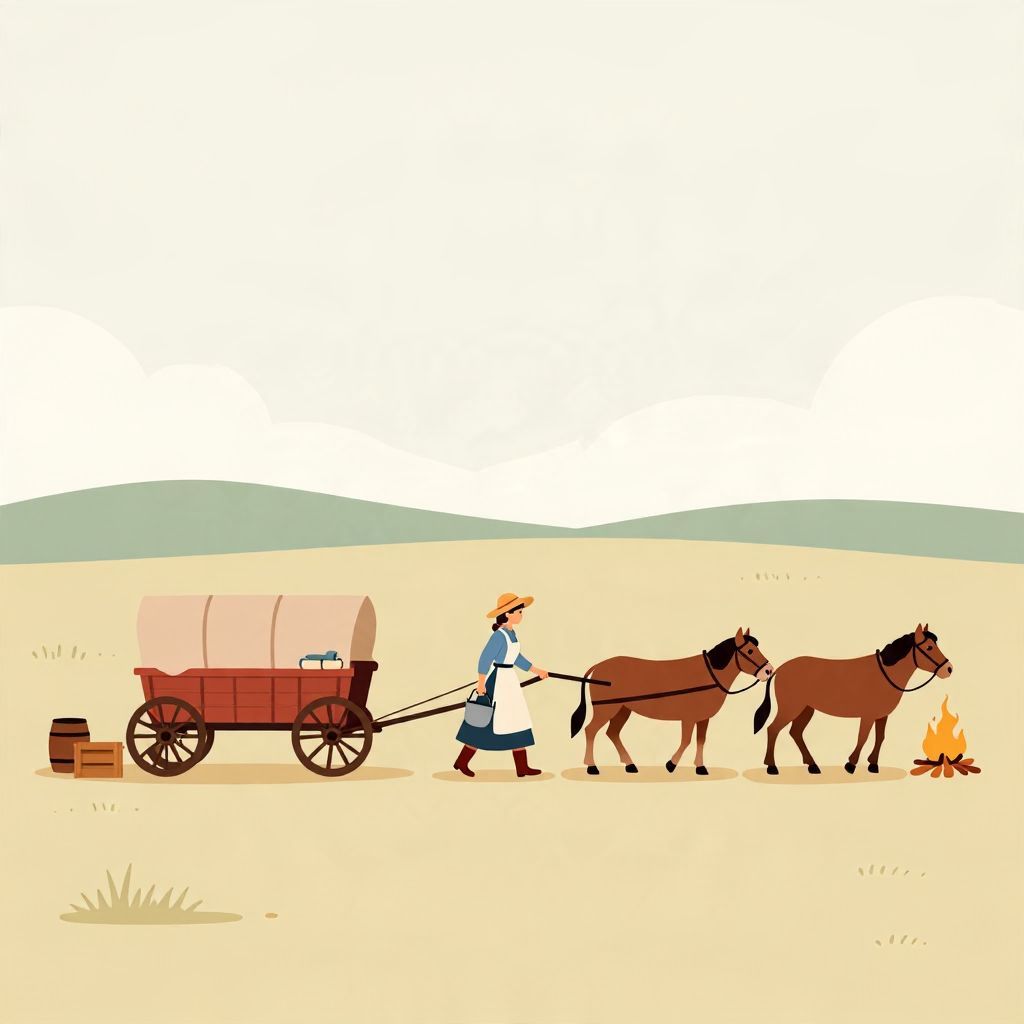
What is a trail maid? The phrase is not a standard term in mainstream historical writing, so its meaning depends heavily on context. In some settings it may refer to a young woman associated with a trail, parade, pageant, or community event; in others it may be a local nickname, a title in a club, or even a modern brand name rather than a historical institution.
Because the term is ambiguous, the best historical answer is to explain where such phrases usually come from, how they function in local culture, and why they can be hard to pin down in the historical record.
What is a Trail Maid?
A trail maid is most likely a local or ceremonial title for a woman or girl connected with a trail-themed event, route, or commemorative tradition. It is not a widely standardized historical office. In practice, the phrase may describe a pageant participant, a symbolic representative, or a figure in a community celebration tied to travel, frontier memory, or regional identity.
Why the term is hard to define precisely
Unlike well-documented historical offices such as mayor, queen, or sheriff, “trail maid” does not appear to have a single universal origin. Its meaning changes with place and period. That matters because many local traditions in the United States and other English-speaking regions created distinctive titles for festivals, historical reenactments, and civic celebrations, often using romantic language about the past.
A phrase shaped by local tradition
Titles like “trail maid” often emerge from community pageantry rather than formal institutions. They may be tied to pioneer anniversaries, wagon-road commemorations, scenic trail festivals, or tourism campaigns. In those settings, the word “maid” usually means a young unmarried woman or simply a female representative, not a medieval servant or an aristocratic lady-in-waiting.
Why historians are cautious
When a term is used only in a limited local context, historians need evidence from newspapers, event programs, municipal records, or oral histories before defining it confidently. Without that evidence, it is safer to treat “trail maid” as a descriptive or ceremonial label rather than a fixed historical role.
Possible historical meanings of “trail maid”
Although the phrase is not standardized, several historical uses are plausible. The most common would be a symbolic representative of a trail-related celebration. Less commonly, it could be a character in a pageant, a nickname for a young woman living near a trail corridor, or a title used by a local organization promoting heritage and tourism.
1. A ceremonial representative
Many towns and regions in the 19th and 20th centuries chose queens, princesses, maids, or ambassadors to represent festivals. A trail maid in this sense would likely have been selected to appear in parades, greet visitors, or symbolize the local story of migration, settlement, or outdoor recreation.
2. A pageant or festival role
Community pageants often dramatized regional history. A trail maid could be one of several characters in a performance about settlers, travelers, or frontier life. Such roles were especially common in the late 19th and early 20th centuries, when historical pageantry became a popular way to celebrate local identity.
3. A tourism or heritage title
In some places, trail-related titles were used to promote scenic routes, historical trails, or outdoor destinations. A “trail maid” might have been a publicity figure, much like a festival queen or ambassador, helping to attract attention to a route or event.
The historical background behind trail-themed titles
To understand why a phrase like trail maid might exist, it helps to look at the broader history of trails in North America and the language of commemoration. Trails were not just paths through the land; they were routes of migration, trade, military movement, and cultural exchange. Over time, communities turned those routes into symbols of heritage.
Trails in frontier and migration history
From the early 1800s onward, many well-known trails in North America became part of national memory. Some were used by Indigenous peoples long before European expansion. Others later carried settlers, traders, missionaries, and migrants westward. By the late 19th century, these routes were often remembered through monuments, anniversaries, and local celebrations.
The rise of heritage festivals
As towns sought to preserve or market their past, they created annual festivals, historical reenactments, and commemorative events. These celebrations often used gendered titles for symbolic figures: queen, princess, maid, duchess, or ambassador. The language reflected the era’s social norms as much as the history being commemorated.
Romantic memory and frontier imagery
Trail imagery often carried romantic associations with adventure, independence, and hardship. A “trail maid” title fits that pattern. It evokes a stylized past in which women were portrayed as graceful, welcoming, or emblematic of a region’s story, even when the real history of trails involved labor, danger, displacement, and conflict.
What a trail maid would have done
If the term was used in a festival or local pageant, a trail maid’s duties would have been ceremonial rather than administrative. She may have appeared in costume, welcomed guests, joined a procession, or represented a town at regional events. The role would usually have been temporary and symbolic, not an ongoing public office.
Common activities
- Appearing in parades or opening ceremonies
- Serving as a symbolic host for visitors
- Participating in historical pageants or reenactments
- Representing a town, trail, or festival in publicity materials
- Supporting fundraising or civic promotion efforts
Costume and symbolism
When such figures were presented publicly, costumes often borrowed from idealized frontier, pioneer, or regional styles. The clothing was meant to communicate tradition, innocence, and local pride. That visual language tells us as much about the era of the event as it does about the historical period being remembered.
How the term reflects changing ideas about women and public memory
Trail maid titles belong to a wider history of how communities assigned symbolic roles to women in public life. These roles could offer visibility and prestige, but they also reflected limited expectations. Women were often cast as decorative, representative, or supportive figures rather than decision-makers.
Public symbolism versus real authority
In many civic traditions, women’s titles were ceremonial while men held formal leadership positions. A trail maid might be honored as the face of an event, but that did not necessarily mean she had influence over the organization behind it. This distinction is important for understanding gender in local history.
Changing social meanings over time
By the later 20th century, many communities reconsidered pageant-style roles because they could feel outdated or exclusionary. Some festivals kept the tradition, while others replaced “maid” titles with broader ambassador roles. That shift reflects changing ideas about representation, gender equality, and historical commemoration.
Is “trail maid” a historical fact or a modern label?
In many cases, the phrase is better understood as a modern or local label than as a deep historical institution. It may have been created for a specific festival, club, or promotional campaign. If someone uses the term today, it may refer to a revived tradition, a fictional character, or a heritage role rather than an old official title.
How to verify a specific use
If you encounter “trail maid” in a particular town, book, or event, the best way to verify its meaning is to look for local evidence. Useful sources include newspaper archives, event programs, city histories, photographs, and oral testimony from community members. The exact meaning often becomes clear only within that local context.
Why context matters
Without context, the phrase can be misleading. A trail maid in one place might be a festival queen; in another, a character in a historical performance; elsewhere, it may be a name chosen for branding. Historical interpretation depends on the evidence attached to the specific use, not on the phrase alone.
Key facts about trail maid traditions
- Not a universal office: “Trail maid” is not a standard historical title across cultures or regions.
- Usually ceremonial: When used historically, it most likely referred to a symbolic or promotional role.
- Often local: The phrase likely arose in specific towns, festivals, or heritage events.
- Connected to commemoration: It fits the broader pattern of trail, frontier, and migration memory.
- Gendered tradition: The title reflects older customs that often used feminine symbols in civic pageantry.
Why the phrase still matters
Even if “trail maid” is not a major historical institution, it is still historically revealing. Small titles like this show how communities remember the past, market their identity, and assign meaning to women’s roles in public culture. They also remind us that history is not only made by kings, wars, and treaties, but by festivals, symbols, and local traditions.
So, what is a trail maid? Most likely, it is a local ceremonial or symbolic female figure associated with a trail-related event, heritage celebration, or pageant. Because the term is not standardized, its exact meaning depends on the specific place and period. If you are tracing a particular trail maid tradition, the most reliable answer will come from local historical records and community memory. For readers interested in related themes, it may also help to explore history of frontier festivals and women in civic pageantry.